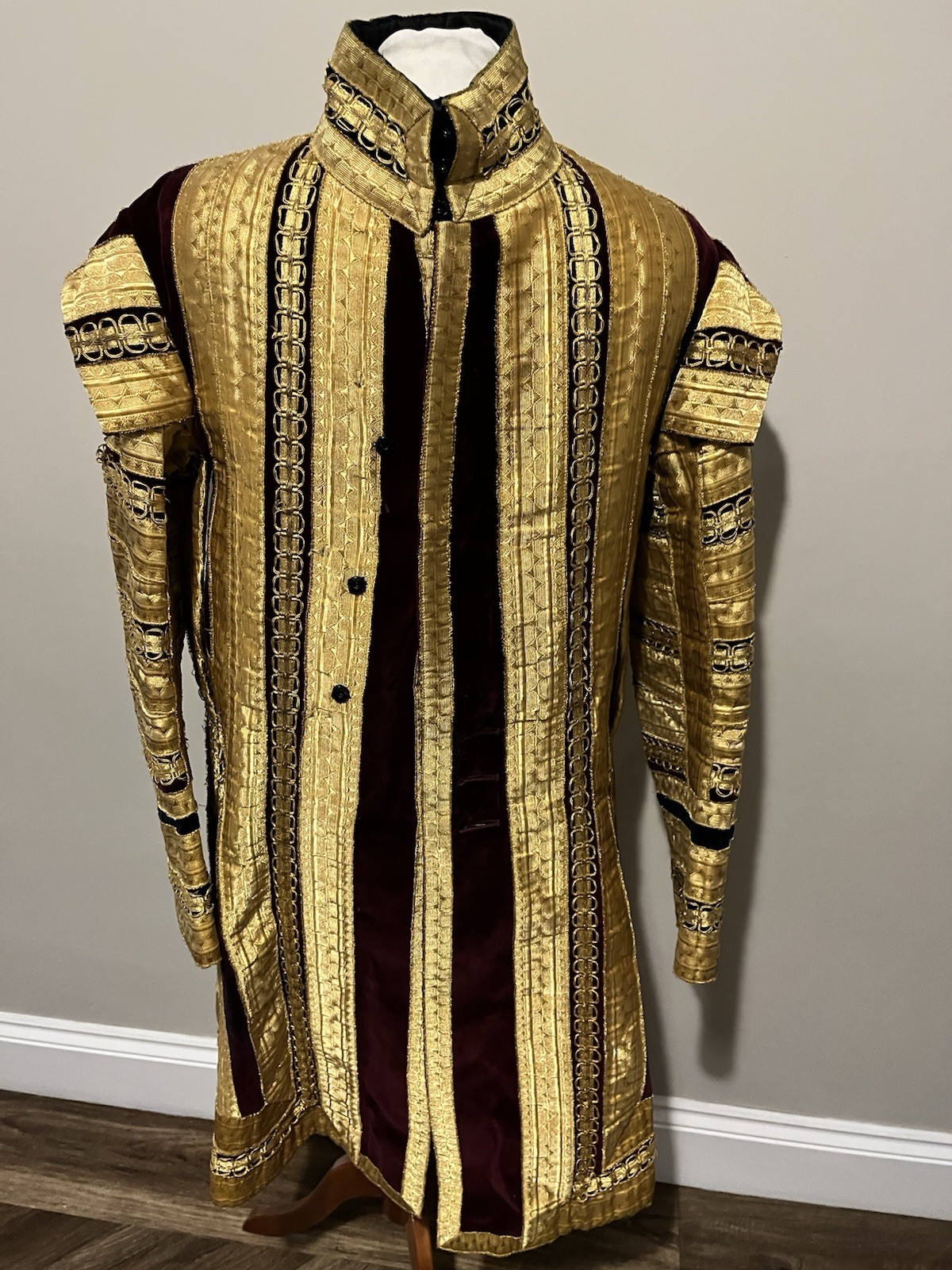
Household Cavalry

Best Hotels for the Horse Guards Parade & the Household Cavalry Experience

Stay at the heart of Horse Guards Parade and the Household Cavalry experience. Discover hotels near the museum, royal landmarks and historic Westminster.

Choosing the right hotel can shape your entire London experience, especially when your itinerary centres on the Household Cavalry Museum, Horse Guards Parade and the royal landmarks of Westminster. While many visitors instinctively search for accommodation close to Buckingham Palace, two hotels consistently stand out for travellers wanting to experience ceremonial London on foot: The Royal Horseguards Hotel and The Guardsman Hotel.
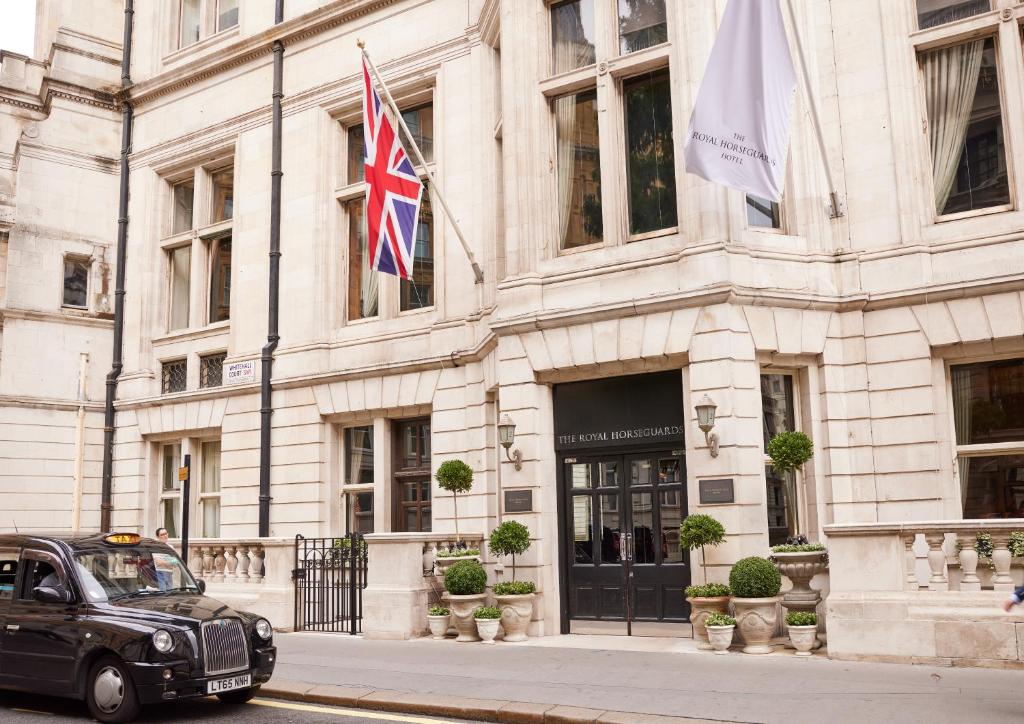
Household Cavalry Hotel

Both are located within comfortable walking distance of the Household Cavalry Museum, yet they offer noticeably different experiences. One occupies a magnificent Victorian building overlooking the River Thames with over a century of history behind it, while the other is a contemporary boutique hotel designed to feel more like an elegant London residence.

Neither is simply a convenient place to sleep. Their locations allow guests to enjoy Westminster at times when day visitors have largely disappeared. Walking through Whitehall before breakfast, watching the morning activity around Horse Guards Parade or returning after sunset to see London’s illuminated landmarks provides an experience that many visitors never enjoy when staying in other parts of the capital.

This comparison looks beyond star ratings and facilities to examine what it is actually like to stay at each hotel, how they compare for visitors interested in royal London and which type of traveller each property suits best.


Why Location Matters More Than You Might Think

Visitors often underestimate how much time can be lost travelling around London. Staying close to the Household Cavalry Museum means you can explore many of the capital’s most famous attractions without relying on the Underground, buses or taxis.

From either hotel you can comfortably walk to:

  • Horse Guards Parade.
  • The Household Cavalry Museum.
  • St James’s Park.
  • Buckingham Palace.
  • The Churchill War Rooms.
  • Westminster Abbey.
  • Big Ben and the Palace of Westminster.
  • Trafalgar Square.

For many visitors, this transforms the trip. Rather than spending valuable holiday time navigating transport, you can move naturally between attractions, stopping for coffee, exploring quieter side streets or revisiting favourite landmarks at different times of day.

Experienced London travellers often recommend Westminster over busier tourist districts because it feels very different early in the morning and late in the evening. Once the crowds have thinned, Whitehall, Horse Guards Parade and St James’s become noticeably quieter, allowing you to appreciate the architecture and ceremonial setting in a way that daytime visitors rarely experience.


The Royal Horseguards Hotel

Approximate walk to the Household Cavalry Museum: 5 minutes

If any hotel naturally complements a visit to the Household Cavalry Museum, it is The Royal Horseguards Hotel. Even its name reflects the history of the surrounding neighbourhood, and from the moment you arrive, the building feels connected to the ceremonial character of Westminster.
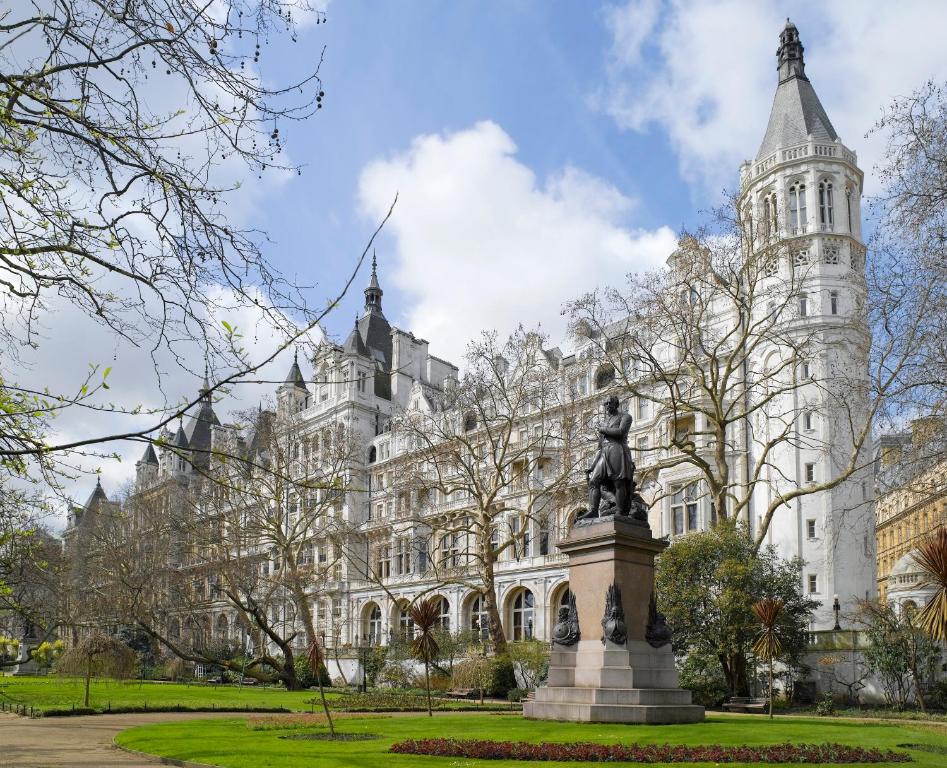
Royal Horseguards Hotel Book

Occupying a magnificent Victorian landmark beside the River Thames, the hotel combines traditional grandeur with one of the most enviable locations in central London. Whitehall lies only a short walk away, while Embankment, Trafalgar Square and Covent Garden are all easily reached on foot.

Unlike many modern hotels, The Royal Horseguards immediately creates a sense of occasion. The impressive exterior, elegant public rooms and period architectural details help guests feel that they are staying somewhere with genuine historical significance rather than simply another city-centre hotel.

A Hotel That Feels Part of Westminster’s Story

One of the greatest advantages of staying here is how naturally the hotel fits into the surrounding area. Within minutes of leaving the lobby you are walking past government buildings, historic memorials and ceremonial routes that have witnessed royal processions, state occasions and military traditions for generations.

For visitors interested in British history, this continuity adds something special to the stay. After exploring the Household Cavalry Museum, it is easy to imagine the mounted soldiers continuing along Whitehall towards Horse Guards Parade, just as ceremonial units still do today.

The walk back to the hotel after an evening meal is equally memorable. As government buildings become illuminated and traffic begins to ease, Westminster develops a quieter atmosphere that many guests later describe as one of the highlights of their trip.

Rooms and Overall Atmosphere

The Royal Horseguards successfully balances historic character with modern comfort. Rooms are classically furnished without feeling dated, while larger windows in many categories provide attractive views across the Thames or towards neighbouring historic buildings.

Because the hotel occupies a historic structure, room layouts naturally vary. Some rooms feel particularly spacious by central London standards, while others prioritise character over floor space. Travellers who appreciate architectural features and traditional styling generally regard this as part of the hotel’s appeal.

Public areas are elegant without becoming overly formal. Guests can enjoy afternoon tea, relax after sightseeing or simply appreciate the building’s period features between excursions.

Who Will Enjoy Staying Here?

The Royal Horseguards particularly suits visitors who want their accommodation to feel like part of their London experience rather than somewhere they simply return to at the end of the day.

Couples celebrating a special occasion often appreciate the combination of historic surroundings and riverside location, while first-time visitors benefit from being able to walk to many of London’s best-known landmarks without needing complicated travel plans.

History enthusiasts are perhaps the biggest winners. The hotel’s surroundings perfectly complement visits to the Household Cavalry Museum, the Churchill War Rooms, Westminster Abbey and the Banqueting House, creating an itinerary where almost every attraction lies within the same historic district.

Authentic Visitor Experience

Across a broad range of visitor feedback, several themes appear consistently. Guests frequently praise the hotel’s location above almost everything else, describing it as one of the easiest places from which to explore Westminster on foot. Many comment that they used public transport far less than expected because so many attractions were within walking distance.

Another recurring observation is the atmosphere around the hotel. While nearby streets are busy during office hours, evenings tend to feel calmer than many other parts of central London. Visitors often mention enjoying relaxed walks along the Thames after dinner or taking early morning strolls through Whitehall before sightseeing crowds arrive.

Some guests note that, as with many historic London hotels, room sizes differ considerably. Checking individual room descriptions before booking is worthwhile, particularly if additional space is important. However, very few visitors express disappointment with the overall experience, and many describe the location as the hotel’s greatest luxury.

Why It Works So Well for Household Cavalry Museum Visitors

The Household Cavalry Museum focuses on Britain’s oldest serving regiments, ceremonial traditions and working military history. Staying at The Royal Horseguards extends that experience beyond museum opening hours. Whether watching mounted cavalry pass along Whitehall, walking beneath Horse Guards Arch or returning after sunset to admire the illuminated government buildings, guests remain immersed in the same historic setting throughout their stay.

For visitors whose primary interest is discovering ceremonial London, few hotels offer such a seamless connection between accommodation and attraction.

The Guardsman Hotel

Approximate walk to the Household Cavalry Museum: 10 minutes

While The Royal Horseguards embraces London’s grand Victorian heritage, The Guardsman takes a noticeably different approach. Opened as a luxury boutique hotel in Westminster, it was designed to offer the atmosphere of a private London residence rather than a large traditional hotel.
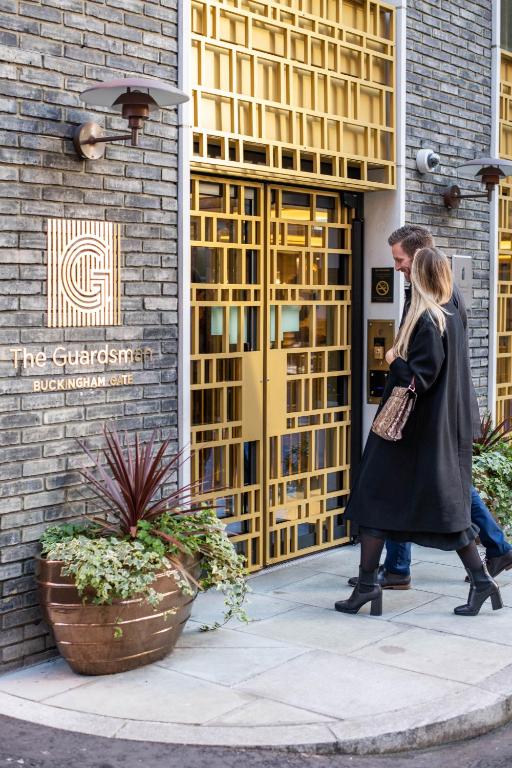
Guardsman Hotel Book

Its name is particularly appropriate for visitors exploring the Household Cavalry Museum. Although the hotel is not directly connected to the British Army or the Household Division, the surrounding streets are steeped in military and royal history. Within a few minutes’ walk, guests find themselves standing outside Buckingham Palace, watching mounted soldiers ride through Horse Guards or exploring Whitehall’s historic government buildings.

The hotel’s Westminster location makes it an excellent base for travellers who want to experience London’s ceremonial district while enjoying quieter surroundings than busier tourist areas such as Covent Garden or Leicester Square.

A Different Style of London Stay

One of the first things many guests notice is the scale of the hotel. Instead of expansive public areas and grand staircases, The Guardsman focuses on comfort, privacy and understated luxury.

This creates a noticeably calmer atmosphere. Returning after a day spent exploring Westminster often feels more like arriving home than entering a busy city hotel. For visitors planning long sightseeing days, that quieter environment can be surprisingly valuable.

The surrounding neighbourhood contributes to this feeling. Tree-lined streets, attractive Georgian and Victorian buildings and nearby residential properties make the area feel distinctly local despite being only a short walk from some of Britain’s busiest attractions.

Rooms Designed for Comfort

The Guardsman’s rooms reflect contemporary British design rather than traditional luxury. Clean lines, modern furnishings and thoughtful lighting create comfortable spaces without unnecessary decoration.

Technology is well integrated throughout the rooms, appealing to travellers who value convenience alongside comfort. Sound insulation is another feature frequently appreciated by guests, particularly considering the hotel’s central London location.

Although rooms are generally more compact than those found in some luxury hotels outside central London, they are efficiently designed and make good use of available space. Guests looking for additional room can choose larger categories or suites.

Who Is The Guardsman Best For?

The Guardsman works particularly well for couples, solo travellers and professionals who want a luxury hotel without the formality sometimes associated with London’s grand historic properties.

It is also an excellent option for repeat visitors. Travellers who have already experienced London’s larger landmark hotels often appreciate the more personal atmosphere offered here.

For visitors whose plans involve spending most of the day exploring museums, royal landmarks and historic streets before returning to a peaceful hotel each evening, The Guardsman strikes an attractive balance between location and comfort.

Authentic Visitor Experience

Guest feedback consistently praises the hotel’s staff, with many visitors commenting on the welcoming and attentive service. Rather than feeling like one guest among hundreds, travellers often describe a more personalised experience from arrival through to departure.

The location also receives consistently positive comments. Although it sits slightly further from Horse Guards Parade than The Royal Horseguards, most visitors find the walk straightforward and enjoyable. Passing through St James’s Park or along Birdcage Walk often becomes part of the daily sightseeing experience rather than simply a route between hotel and attraction.

Breakfast receives favourable feedback from many guests, particularly those wanting a relaxed start before exploring Westminster. Several reviews also mention the hotel’s quiet atmosphere despite its central location, making it a popular choice for travellers who prefer a peaceful night’s sleep after busy sightseeing days.


How the Two Hotels Compare

Although both hotels serve visitors to the Household Cavalry Museum exceptionally well, they create very different impressions.

The Royal Horseguards embraces London’s historic grandeur. Its riverside location, impressive architecture and long-established reputation make it feel inseparable from Westminster’s ceremonial landscape. Guests often describe staying there as part of the overall sightseeing experience.

The Guardsman offers something more contemporary. It focuses less on architectural drama and more on thoughtful service, modern comfort and a quieter boutique atmosphere.

Neither approach is objectively better; the right choice depends on the type of London visit you are planning.

Choose The Royal Horseguards Hotel if…

  • You want to stay in one of Westminster’s landmark historic hotels.
  • Traditional British elegance appeals to you.
  • River views are important.
  • You are celebrating a special occasion.
  • You want the shortest possible walk to Horse Guards Parade.

Choose The Guardsman if…

  • You prefer boutique hotels.
  • You value a quieter atmosphere.
  • Modern room design is important.
  • You enjoy personalised service.
  • You want to stay close to both Buckingham Palace and Westminster.

Exploring Westminster from Either Hotel

Perhaps the greatest advantage shared by both hotels is that they encourage visitors to explore Westminster properly rather than treating it as a collection of individual attractions.

A typical day might begin with an early walk through St James’s Park before visiting Horse Guards Parade to watch the mounted King’s Life Guard. From there, the Household Cavalry Museum provides valuable context about the soldiers, horses and ceremonial traditions visitors have just witnessed.

Continuing on foot leads naturally to Whitehall, the Banqueting House, the Churchill War Rooms and Westminster Abbey before reaching Parliament Square and the River Thames.

Unlike many sightseeing itineraries, this route feels connected. Each attraction builds upon the previous one, creating a fuller understanding of Britain’s royal, political and military history. Staying at either hotel allows visitors to experience this district at their own pace instead of constantly checking train times or searching for the nearest Underground station.


Finally

Both The Royal Horseguards Hotel and The Guardsman rank among the best places to stay for anyone planning to visit the Household Cavalry Museum and Horse Guards Parade.

If you are looking for classic London grandeur, impressive historic architecture and one of the capital’s finest sightseeing locations, The Royal Horseguards is difficult to beat. It feels like an extension of Westminster itself, placing guests in the heart of ceremonial London.

If your preference is contemporary luxury, attentive service and a quieter boutique experience while remaining within easy walking distance of the same attractions, The Guardsman is an outstanding alternative.

Whichever you choose, both hotels allow you to experience Westminster in a way that many visitors miss. Early mornings, peaceful evenings and the ability to explore one of London’s most historic neighbourhoods entirely on foot often become some of the most memorable parts of the trip.


Frequently Asked Questions

1. Which hotel is closer to the Household Cavalry Museum?

The Royal Horseguards Hotel is slightly closer, with a walk of around five minutes to the Household Cavalry Museum. The Guardsman is only a little further away, taking approximately ten minutes on foot, so both hotels are excellent choices for visitors wanting easy access.

2. Which hotel is better for first-time visitors to London?

First-time visitors often favour The Royal Horseguards because of its iconic setting beside the River Thames and immediate access to Whitehall, Trafalgar Square and Horse Guards Parade. The location makes it easy to explore many of London’s most famous landmarks without using public transport.

3. Which hotel is quieter at night?

Both hotels are in relatively peaceful parts of Westminster compared with areas such as Soho or Covent Garden. However, many guests find The Guardsman’s boutique setting and residential surroundings create a slightly quieter atmosphere during the evening.

4. Can you walk to Buckingham Palace from both hotels?

Yes. Buckingham Palace is within comfortable walking distance of both properties. The routes take visitors through some of London’s most attractive streets and, depending on the direction chosen, can include St James’s Park or Birdcage Walk.

5. Which hotel offers the more authentic Westminster experience?

That depends on the type of experience you are looking for. The Royal Horseguards immerses guests in Westminster’s historic grandeur and ceremonial atmosphere, while The Guardsman provides a more contemporary, residential feel with personalised service. Both offer excellent bases for exploring the Household Cavalry Museum and the surrounding royal landmarks on foot.

Book Early to Avoid Missing Out

+

Continue Reading
Household Cavalry

Best Hotels Near Household Cavalry Museum & Horse Guards Parade

Find the best hotels near the Household Cavalry Museum and Horse Guards Parade, from luxury stays to family-friendly London hotels.

Staying near the Household Cavalry Museum and Horse Guards Parade puts you in one of the most historic and convenient areas of central London. Within a short walk, visitors can reach Buckingham Palace, Westminster Abbey, the Churchill War Rooms, St James’s Park, Trafalgar Square and the River Thames, making this one of the best locations in London for sightseeing on foot.

Hotels near Household Cavalry Museum

Unlike areas where visitors spend much of their holiday travelling between attractions, hotels around Whitehall, Westminster, St James’s and Victoria allow you to experience London from the moment you step outside. Early morning walks through quiet royal streets, evening views of illuminated landmarks and easy access to major attractions are some of the biggest advantages of staying in this part of the capital.

The area does not have the same concentration of budget hotels found around Paddington, Bayswater or King’s Cross, but it offers something many visitors value more: location. For a short London break, especially one focused on royal history, museums, ceremonies and famous landmarks, reducing travel time can make a significant difference.

This guide highlights some of the best hotels near the Household Cavalry Museum and Horse Guards Parade, including luxury properties, historic hotels and options suitable for visitors who want to maximise their sightseeing time.

Why Stay Near the Household Cavalry Museum?

The Household Cavalry Museum is located inside Horse Guards, directly on Whitehall, placing it at the centre of London’s royal and political district. Staying nearby means many of London’s most famous attractions can be reached on foot rather than by Underground.

  • Buckingham Palace: approximately 10-15 minutes on foot.
  • Westminster Abbey: approximately 10 minutes on foot.
  • Churchill War Rooms: approximately 5 minutes on foot.
  • St James’s Park: approximately 2 minutes on foot.
  • Trafalgar Square: approximately 10 minutes on foot.

For first-time visitors to London, this location is particularly appealing because it places many of the city’s most recognisable sights within one walkable area. It is also an excellent choice for visitors interested in British history, royal ceremonies and military traditions.


1. Corinthia London

Walking time to Household Cavalry Museum: Approximately 5 minutes

Best for: Luxury stays, couples, special occasions

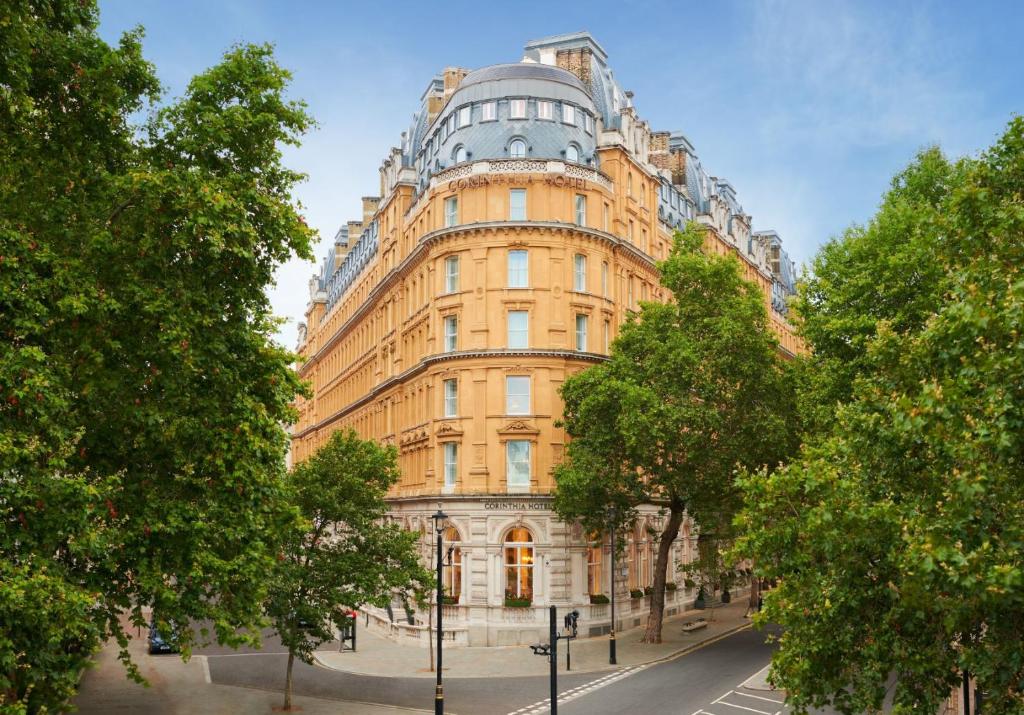
Few hotels are better located for visiting Horse Guards Parade than Corinthia London. Situated just off Whitehall near Embankment, this five-star hotel combines a prestigious location with one of London’s most impressive luxury hotel experiences.

The hotel’s position is particularly convenient for visitors interested in royal London. Guests can walk to Horse Guards Parade, Trafalgar Square, Buckingham Palace and Westminster without relying on taxis or public transport.

Inside, Corinthia London offers elegant rooms, high-quality dining and a renowned spa, making it popular with travellers looking for a relaxing base after busy days exploring the capital. The hotel occupies a historic building that originally served government purposes, giving it a connection to the surrounding Whitehall area.

Visitor feedback frequently highlights the exceptional service, peaceful atmosphere and attention to detail. Many guests appreciate that despite being located in one of central London’s busiest districts, the hotel feels calm and removed from the noise of the city streets.

For travellers planning a special London trip, such as an anniversary, birthday celebration or luxury weekend, Corinthia provides a level of comfort that matches the significance of the surrounding landmarks.

Why choose Corinthia London?

  • One of the closest luxury hotels to Horse Guards Parade.
  • Excellent location for sightseeing on foot.
  • High-end restaurants and spa facilities.
  • Ideal for romantic breaks and special occasions.

2. The Royal Horseguards Hotel

Walking time to Household Cavalry Museum: Approximately 5 minutes

Best for: Historic atmosphere, sightseeing convenience

The name alone makes The Royal Horseguards Hotel a natural choice for visitors interested in the Household Cavalry Museum. Located overlooking the River Thames, this historic hotel sits between Whitehall and the Embankment area, providing an excellent base for exploring central London.

The hotel occupies a building with a long connection to British history and diplomacy. Its location means guests are surrounded by some of the capital’s most important landmarks, including Parliament, Trafalgar Square and the ceremonial streets of Westminster.

For visitors who want to spend their days walking between attractions, the location is difficult to improve. A morning visit to Horse Guards Parade can easily be combined with Buckingham Palace, St James’s Park and Westminster Abbey without needing transport.

Guests commonly praise the hotel’s position, particularly its views over the Thames and proximity to major attractions. As with many historic London buildings, room sizes can vary, so travellers who value additional space may wish to check room categories carefully when booking.

The Royal Horseguards is especially suitable for visitors who want their hotel stay to feel connected to London’s history rather than simply being a convenient place to sleep.

Why choose The Royal Horseguards Hotel?

  • Very close to Horse Guards Parade.
  • Historic London setting.
  • Excellent walking location.
  • River views available.

3. The Stafford London

Walking time to Household Cavalry Museum: Approximately 8 minutes

Best for: Boutique luxury, quiet surroundings

Tucked away in St James’s, The Stafford London offers a quieter alternative to some of the larger central London hotels while remaining within easy walking distance of Horse Guards Parade.

The hotel’s location is one of its greatest strengths. St James’s is one of London’s most elegant districts, known for historic gentlemen’s clubs, royal connections, specialist shops and peaceful streets that feel very different from the busier areas around Oxford Street and Piccadilly Circus.

Guests staying here can walk through St James’s Park towards Buckingham Palace or continue towards Horse Guards Parade and Whitehall. The area is particularly enjoyable in the early morning when the streets are quieter and the ceremonial character of Westminster is most noticeable.

Visitor opinions often mention the personalised service and traditional atmosphere. Unlike large international chain hotels, The Stafford has a more intimate feel, appealing to travellers who prefer character and attention to detail.

It is a strong choice for couples and mature travellers who want a refined London base close to major sights without staying in a busy tourist district.

Why choose The Stafford London?

  • Peaceful St James’s location.
  • Walking distance to royal attractions.
  • Boutique luxury atmosphere.
  • Excellent choice for couples.

4. The Guardsman

Walking time to Household Cavalry Museum: Approximately 10 minutes

Best for: Boutique stays, Westminster visitors

The Guardsman is a boutique hotel with a location particularly suited to visitors interested in London’s royal and political landmarks. Situated near Westminster, it provides easy access to Horse Guards Parade, Buckingham Palace and the Houses of Parliament.

The hotel’s design focuses on creating a residential atmosphere rather than the feel of a large conventional hotel. This appeals to travellers who prefer a quieter, more personal experience while remaining close to London’s major attractions.

One of the biggest advantages is the ability to explore Westminster early and late in the day when many visitors have left. Walking through the surrounding streets after dinner gives guests a very different perspective of London’s historic centre.

Visitors often appreciate the helpful service and central location. Because the hotel is relatively small, it can provide a more individual experience compared with larger properties nearby.

Why choose The Guardsman?

  • Excellent Westminster location.
  • Close to royal and political landmarks.
  • Boutique atmosphere.
  • Good option for sightseeing-focused trips.

5. St. Ermin’s Hotel, Autograph Collection

Walking time to Household Cavalry Museum: Approximately 8 minutes

Best for: History lovers, couples, business and leisure travellers

St. Ermin’s Hotel is one of Westminster’s most distinctive hotels, combining a grand historic setting with one of the most convenient locations for exploring Horse Guards Parade and the surrounding royal landmarks.

Located just behind St James’s Park, the hotel is surrounded by some of London’s most important political and ceremonial buildings. Guests can walk to the Household Cavalry Museum, Buckingham Palace, Westminster Abbey and the Houses of Parliament within minutes.

The building itself has a fascinating history, having hosted politicians, diplomats and important figures throughout the twentieth century. Its famous grand staircase, elegant public spaces and traditional architecture give it a character that many modern hotels lack.

One feature visitors particularly enjoy is the hotel’s proximity to St James’s Park. Being able to step outside and immediately access one of London’s most attractive green spaces is a major advantage, especially for travellers who want a quieter start or end to their day.

Guest feedback often highlights the hotel’s atmosphere, helpful staff and excellent location. Some visitors note that rooms vary in size due to the historic nature of the building, so selecting the right room category is important for travellers who prioritise extra space.

St. Ermin’s is especially suitable for visitors who want a hotel that feels connected to London’s history rather than simply located near tourist attractions.

Why choose St. Ermin’s Hotel?

  • Historic Westminster setting.
  • Very close to St James’s Park.
  • Easy walking access to royal landmarks.
  • Distinctive character and architecture.

6. The Clermont London, Charing Cross

Walking time to Household Cavalry Museum: Approximately 12 minutes

Best for: First-time London visitors, transport convenience, sightseeing

The Clermont London, Charing Cross is an excellent option for travellers who want a central location with easy transport connections while remaining close enough to walk to Horse Guards Parade.

Situated directly beside Charing Cross Station, the hotel places guests close to Trafalgar Square, the National Gallery, Covent Garden and the Strand. Horse Guards Parade is reached via a pleasant walk through one of London’s most historic areas.

The location works particularly well for visitors planning to explore beyond Westminster. While many attractions around Horse Guards Parade are walkable, Charing Cross Station provides convenient connections to areas such as the West End, the South Bank and the City of London.

The hotel occupies a historic Victorian building and retains many traditional features while offering modern facilities expected by today’s travellers.

Visitor reviews frequently mention the convenience of the location, especially for short breaks where maximising sightseeing time is important. Being able to return quickly to the hotel after a long day exploring London is a significant advantage.

Why choose The Clermont London, Charing Cross?

  • Excellent central location.
  • Next to major transport links.
  • Easy walk to Horse Guards Parade.
  • Ideal for first-time London visitors.

7. Taj 51 Buckingham Gate Suites and Residences

Walking time to Household Cavalry Museum: Approximately 10 minutes

Best for: Families, longer stays, spacious accommodation

Many central London hotels have limited room space, which can be challenging for families or visitors staying for several nights. Taj 51 Buckingham Gate offers a different approach with larger suites and residences close to Westminster and St James’s.

The hotel’s location places guests within easy walking distance of Horse Guards Parade, Buckingham Palace and Victoria. It is particularly convenient for visitors who want a quieter residential-style base while remaining close to major attractions.

The availability of suites makes it attractive for families, groups or travellers who appreciate additional living space. Having separate areas to relax after sightseeing can make a significant difference during longer London stays.

The surrounding area is relatively calm compared with nearby shopping districts, while still offering easy access to restaurants, attractions and transport connections.

Guests often praise the spacious accommodation and attentive service. For visitors travelling with children or planning a week-long London trip, the extra space can provide better value than booking multiple smaller rooms.

Why choose Taj 51 Buckingham Gate?

  • Suite-style accommodation.
  • Family-friendly option.
  • Quiet location near Buckingham Palace.
  • Suitable for longer stays.

8. The Rubens at the Palace

Walking time to Household Cavalry Museum: Approximately 12 minutes

Best for: Royal atmosphere, luxury breaks, Buckingham Palace visitors

Few hotels in London can match The Rubens at the Palace for its royal location. Positioned directly opposite Buckingham Palace, the hotel offers one of the most recognisable settings in the capital.

Although slightly further from Horse Guards Parade than some Whitehall hotels, the walk is straightforward and takes visitors through some of London’s most attractive royal streets and parks.

The hotel specialises in traditional British elegance, with classic interiors, afternoon tea experiences and views towards Buckingham Palace available from selected rooms and dining areas.

For visitors whose main interest is royal London, the location is exceptional. Guests can easily combine a morning visit to Horse Guards Parade with Buckingham Palace, St James’s Park and Westminster attractions.

Visitor feedback often focuses on the hotel’s atmosphere and service, particularly the feeling of staying in a genuinely historic London setting. Travellers looking for a modern minimalist hotel may prefer other options, but those wanting traditional British character often find this is exactly what they are seeking.

Why choose The Rubens at the Palace?

  • Directly opposite Buckingham Palace.
  • Strong royal connection.
  • Classic British luxury style.
  • Excellent for special occasions.

9. Hub by Premier Inn London Westminster

Walking time to Household Cavalry Museum: Approximately 12-15 minutes

Best for: Budget-conscious visitors, short breaks

Visitors do not always need a luxury hotel when staying near London’s major attractions. Hub by Premier Inn London Westminster provides a more affordable way to stay close to the action while keeping sightseeing costs under control.

The hotel’s Westminster location means guests can still walk to many of London’s most famous landmarks, including Horse Guards Parade, the Churchill War Rooms and Westminster Abbey.

Rooms are designed around efficiency, making the hotel particularly suitable for travellers who plan to spend most of their time exploring rather than relaxing in the room.

Visitor opinions commonly highlight the practical location, cleanliness and reliable standards associated with the Premier Inn brand. Rooms are compact, but this is often expected and acceptable for travellers prioritising location over additional space.

For visitors spending only a few nights in London and wanting to keep more of their budget available for attractions, dining and experiences, this type of hotel can be a sensible choice.

Why choose Hub by Premier Inn?

  • More affordable Westminster option.
  • Reliable accommodation standards.
  • Excellent sightseeing location.
  • Good for short city breaks.

10. The Wellington Hotel by Blue Orchid

Walking time to Household Cavalry Museum: Approximately 15 minutes

Best for: Budget travellers, Victoria transport connections

The Wellington Hotel provides another practical option for visitors who want to stay near Westminster without paying premium central London prices.

Located close to Victoria Station, the hotel benefits from excellent transport links while still being within walking distance of Horse Guards Parade. The route passes through some of London’s most recognisable areas, including Westminster and St James’s.

Victoria is particularly useful for travellers arriving by train from airports or other parts of the UK. The area also has a wide selection of restaurants, cafés and shops.

Guests often appreciate the convenience of the location and the ability to reach major attractions easily. As with many historic central London hotels, room sizes can vary, so checking individual room descriptions is recommended.

Why choose The Wellington Hotel?

  • Convenient Victoria location.
  • Walking distance to Westminster sights.
  • Useful transport connections.
  • Suitable for shorter stays.

Choosing the Best Area to Stay Near Horse Guards Parade

When booking accommodation near the Household Cavalry Museum, the best area depends on the type of London experience you want.

St James’s

St James’s is the most elegant option, with quiet streets, royal connections and easy access to Buckingham Palace and Horse Guards Parade. It is particularly popular with couples and visitors looking for a more traditional London atmosphere.

Whitehall and Westminster

This is the closest area to the Household Cavalry Museum and ideal for sightseeing-focused trips. Many of London’s most important landmarks are within walking distance.

Victoria

Victoria offers a wider choice of accommodation and excellent transport links. It is a practical choice for visitors arriving by train or looking for slightly better value while staying close to Westminster.

Charing Cross and Trafalgar Square

This area works well for visitors who want easy access to museums, theatres, restaurants and the West End while still being able to walk to Horse Guards Parade.


Tips for Booking a Hotel Near the Household Cavalry Museum

  • Book early during summer, Christmas and major royal events when central London hotels fill quickly.
  • Check the walking distance rather than relying only on the hotel district name.
  • Historic hotels often have different room sizes, so read room descriptions carefully.
  • Consider whether you need breakfast included, as many cafés are available nearby.
  • For short London visits, paying slightly more for location can save significant travel time.

Staying near the Household Cavalry Museum and Horse Guards Parade places you in one of London’s most rewarding areas for sightseeing. Whether you choose a luxury hotel overlooking royal landmarks, a historic boutique property or a practical budget option, the biggest advantage is being able to explore Westminster on foot.

For visitors interested in royal traditions, military history and London’s most famous sights, few locations offer the same combination of convenience and atmosphere.

Frequently Asked Questions About Hotels Near the Household Cavalry Museum & Horse Guards Parade

1. What is the closest hotel to the Household Cavalry Museum?

Several luxury hotels are within a few minutes’ walk of the Household Cavalry Museum, including Corinthia London and The Royal Horseguards Hotel. The exact closest option can vary depending on the route used, but hotels around Whitehall and Embankment generally provide the shortest walking times.

2. Is it better to stay near Horse Guards Parade or Buckingham Palace?

Both locations are excellent choices, and the best option depends on your sightseeing plans. Staying near Horse Guards Parade provides slightly easier access to Whitehall, the Churchill War Rooms and Westminster Abbey, while hotels near Buckingham Palace are ideal for visitors focused on royal attractions and St James’s Park. Fortunately, the two areas are close enough to explore easily on foot.

3. Are hotels near the Household Cavalry Museum good for first-time visitors to London?

Yes. This is one of the best areas in London for first-time visitors because many of the city’s most famous landmarks are within walking distance. Guests can reach Buckingham Palace, Westminster Abbey, Trafalgar Square, the River Thames and several major museums without needing to spend large amounts of time travelling between attractions.

4. Which hotels near Horse Guards Parade are best for a romantic London break?

Luxury properties such as Corinthia London, The Stafford London and The Rubens at the Palace are popular choices for couples looking for a special stay. Their locations, service levels and traditional London atmosphere make them particularly suitable for anniversaries, celebrations and weekend breaks.

5. Are there family-friendly hotels near the Household Cavalry Museum?

Yes. Hotels offering larger rooms or suites, such as Taj 51 Buckingham Gate Suites and Residences, can be particularly suitable for families. The area itself is also family-friendly, with attractions such as St James’s Park, Buckingham Palace, river cruises and museums all nearby.

6. Is it expensive to stay near Horse Guards Parade?

Hotels in this part of central London are generally more expensive than areas further away from Westminster, mainly because of the exceptional location. However, staying nearby can provide better value for short trips because visitors spend less time and money on transport. More affordable options can be found around Victoria and slightly further towards Charing Cross.

7. Can I walk from these hotels to Buckingham Palace?

Yes. Most hotels featured in this guide are within around 10 to 15 minutes’ walk of Buckingham Palace. The route is one of London’s most enjoyable walks, often passing through St James’s Park or along historic royal streets.

8. Are hotels near Horse Guards Parade convenient for visiting the Changing of the Guard?

Yes. Staying nearby makes it easier to reach both Horse Guards Parade and Buckingham Palace before large crowds arrive. Visitors should check official schedules before travelling because ceremonial timings can change depending on the day, season and official events taking place.

9. Which area is quieter: Westminster, St James’s or Victoria?

St James’s is generally the quietest and most residential-feeling area, with elegant streets and fewer large crowds in the evening. Westminster is extremely convenient for sightseeing, while Victoria offers excellent transport connections but tends to be busier around the station. All three areas provide good access to Horse Guards Parade.

10. How many nights should I stay near the Household Cavalry Museum?

A two or three-night stay is ideal for many visitors because it allows enough time to explore Westminster, visit major attractions and enjoy the surrounding areas without rushing. A longer stay gives you more opportunity to explore museums, royal sites, parks and nearby districts such as Covent Garden, the South Bank and the West End.

Continue Reading
Household Cavalry

How to Spot Authentic Household Cavalry Memorabilia – A Collector’s Guide

Practical guide to identifying genuine Household Cavalry memorabilia, including helmets, uniforms, badges and historical documents.

Collecting items connected with the Household Cavalry can be fascinating and rewarding, but it also requires care and knowledge. Genuine helmets, uniforms, badges, and historical objects are valuable and often rare, which means the market also contains replicas, reproductions, and misidentified pieces.

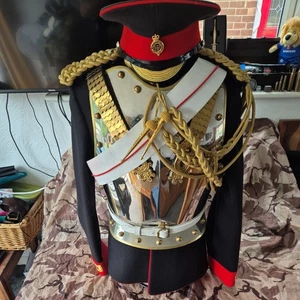
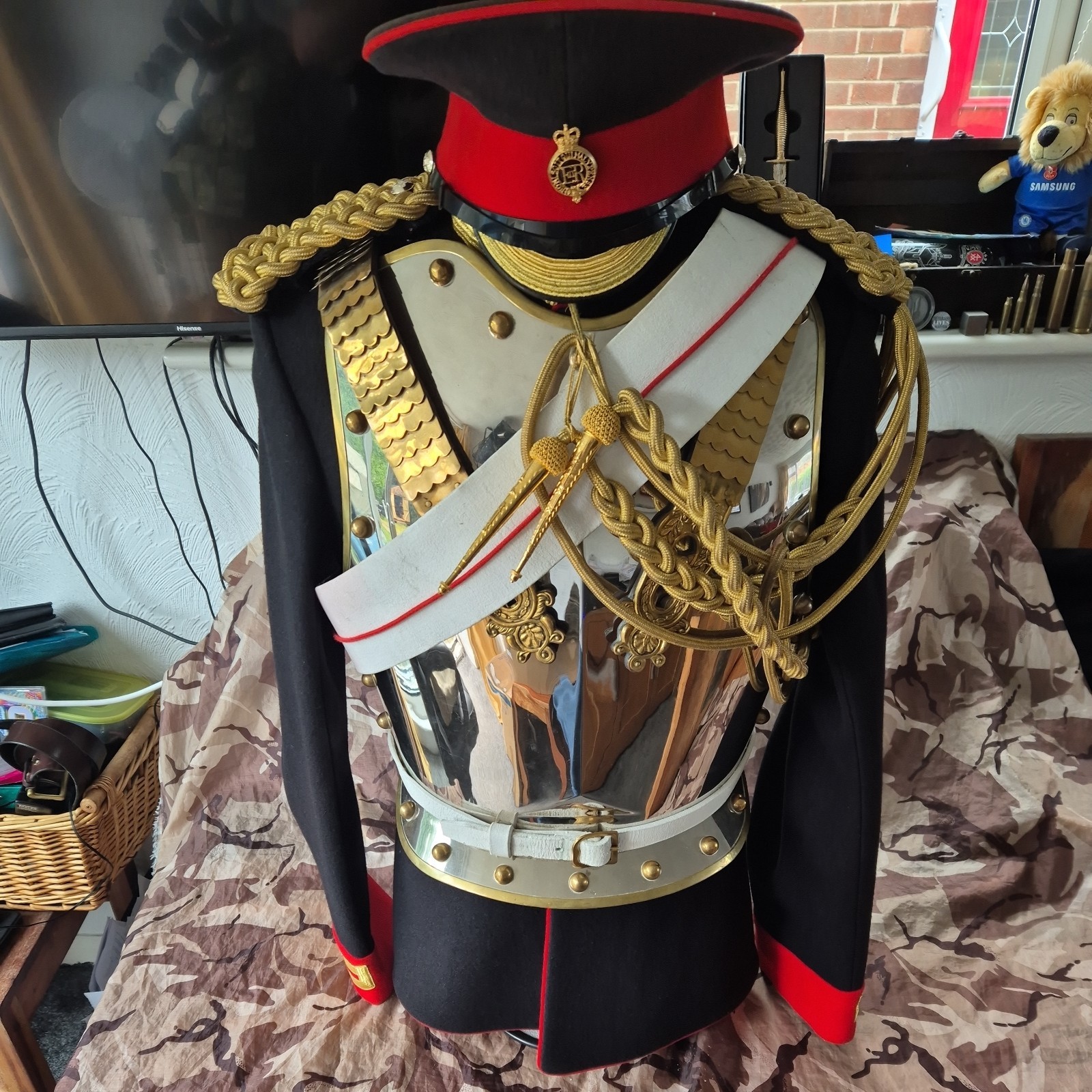
Household Cavalry Uniform

For background on the kinds of items typically collected, see our overview of Household Cavalry collectors items.

Start with knowledge before buying

The most important rule for any collector is simple: learn first, buy second. Understanding the history, structure, and traditions of the Household Cavalry makes it far easier to recognise genuine objects.

Seeing authentic artefacts in person is one of the best ways to develop this knowledge. A visit to the museum provides an excellent foundation: London: Household Cavalry Museum Entry Tickets.

Research the specific item type

Different kinds of memorabilia require different forms of expertise. Before considering a purchase, try to understand the typical characteristics of the object you are interested in.

Key areas to study include:

  • Materials and construction methods used in the relevant period
  • Correct regimental markings and insignia
  • Typical wear patterns from real use
  • Variations between the Life Guards and the Blues & Royals

Our guide to Household Cavalry uniforms is a helpful starting point for understanding authentic design details.

Examining helmets and metalwork

Ceremonial helmets are among the most frequently collected Household Cavalry items, but they are also widely copied. When assessing a helmet, pay attention to:

  • Quality of metal fittings and craftsmanship
  • Signs of genuine age and use
  • Correct style of plume, chain and fittings for the regiment
  • Maker’s marks or military inspection stamps

Authentic pieces often show subtle wear consistent with ceremonial duty, rather than the uniform appearance of modern reproductions.

Recognising authentic uniforms

Full uniforms and uniform components require careful scrutiny. Genuine items typically display:

  • High-quality materials appropriate to the period
  • Correct stitching and tailoring techniques
  • Original regimental buttons and badges
  • Natural signs of use, alteration, or repair

Uniforms that appear artificially aged or unusually pristine should be treated with caution. Studying real examples in a museum environment helps build a reliable eye for detail.

Badges, medals and small items

Smaller objects such as badges and medals are often easier for new collectors to acquire, but they are also frequently reproduced. Warning signs include:

  • Incorrect or blurred details in insignia
  • Modern casting marks on supposedly older items
  • Unusual combinations of badges and ribbons
  • Lack of documented history

For general information on British military medals and how they are issued, the UK Government medals guidance provides useful context.

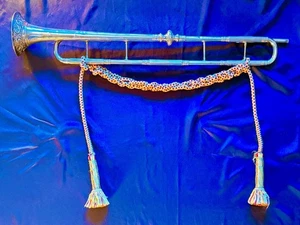
Household Cavalry Musical Instrument

The importance of provenance

Provenance – the documented history of an item – is often as important as the object itself. The strongest pieces usually come with:

  • Original paperwork or service records
  • Photographs showing the item in use
  • Clear ownership history
  • Reputable dealer documentation

Items with a well-established background are more likely to be authentic and generally hold their value better over time.

Beware of common red flags

Collectors should be cautious when encountering:

  • Unusually low prices for supposedly rare pieces
  • Sellers unable to answer basic historical questions
  • Items described vaguely as “style of” or “period type”
  • Objects that combine features from different eras

If something seems too good to be true, it often is.

Seek expert advice

Even experienced collectors consult specialists. Reputable dealers, auction houses, and military historians can help confirm authenticity before a significant purchase.

Understanding the modern regiment and its traditions also helps place objects in context. Background on current duties can be found on the page about Household Cavalry training and duties.

Preserving authentic items

Once you own a genuine piece, proper care is essential. Correct storage and handling help protect both condition and value. General guidance on caring for historic objects is available from the UK National Archives preservation resources.

Using the museum as a learning resource

The best way to develop confidence as a collector is to study authentic artefacts up close. The Household Cavalry Museum displays genuine helmets, uniforms and equipment in their proper historical setting, allowing visitors to compare details directly with items they may encounter on the collectors market.

Many collectors plan a visit around seeing ceremonies at Horse Guards. Practical advice is available in the Changing of the Guard guide and the Horse Guards Parade visitor guide.

Frequently Asked Questions

How can I tell if a Household Cavalry helmet is genuine?

Look for high-quality construction, correct regimental details, natural signs of age, and any maker’s marks or military stamps. Comparing the piece with authenticated examples is essential.

Are replicas always clearly labelled?

Not always. Some replicas are sold honestly as reproductions, but others may be misrepresented. Buyers should never rely solely on a seller’s description.

Is provenance necessary for every item?

While not every small object will have full documentation, major items such as uniforms or helmets are far safer purchases when accompanied by clear provenance.

Where is the best place to learn about authentic items?

Studying genuine artefacts in museums and consulting reputable dealers or historians are the most reliable ways to build knowledge and confidence.

Can modern items ever be collectible?

Yes, but they should be collected and described accurately as modern or commemorative pieces rather than historic originals.

What should I do if I’m unsure about an item?

Pause before buying and seek independent expert advice. Rushed decisions are the main cause of expensive mistakes in military collecting.

Continue Reading
Household Cavalry

Household Cavalry Collectors Items – Helmets, Uniforms and Military Memorabilia

Guide to Household Cavalry collectors items including helmets, uniforms, medals, instruments and how enthusiasts preserve British ceremonial history.

Household Cavalry Collectors Items – Helmets, Uniforms and Military Memorabilia

The traditions of the Household Cavalry have inspired generations of collectors. From gleaming ceremonial helmets to historic uniforms and military instruments, items connected with the regiment are among the most sought-after pieces of British military memorabilia.

This guide explains the main types of Household Cavalry collectors items, what makes them special, and how enthusiasts approach collecting responsibly and respectfully.

Why Household Cavalry memorabilia is so collectible

The Household Cavalry has a long and distinctive history. Its combination of royal ceremonial duty and active military service gives objects connected to the regiment a unique character. Many collectors are drawn to:

  • The visual appeal of ceremonial uniforms and equipment
  • The craftsmanship involved in historic military items
  • The direct link to British royal and national history
  • The rarity of authentic pieces

Unlike general military surplus, Household Cavalry items are often highly specialised, carefully made, and closely associated with well-documented traditions.

Household Cavalry helmets

Among the most iconic collectors items are ceremonial helmets. These distinctive pieces, with their polished metal and coloured plumes, are instantly recognisable and closely associated with mounted duties at Horse Guards.

Collectors are typically interested in:

  • Original ceremonial helmets used for public duties
  • Historic examples from earlier periods
  • Components such as plumes, chin chains, and fittings
  • Display helmets produced for commemorative purposes

Because genuine helmets are complex objects with many variations, learning to recognise details is important. Our guide to Household Cavalry uniforms helps explain the features that distinguish different regiments and periods.

Uniforms and ceremonial dress

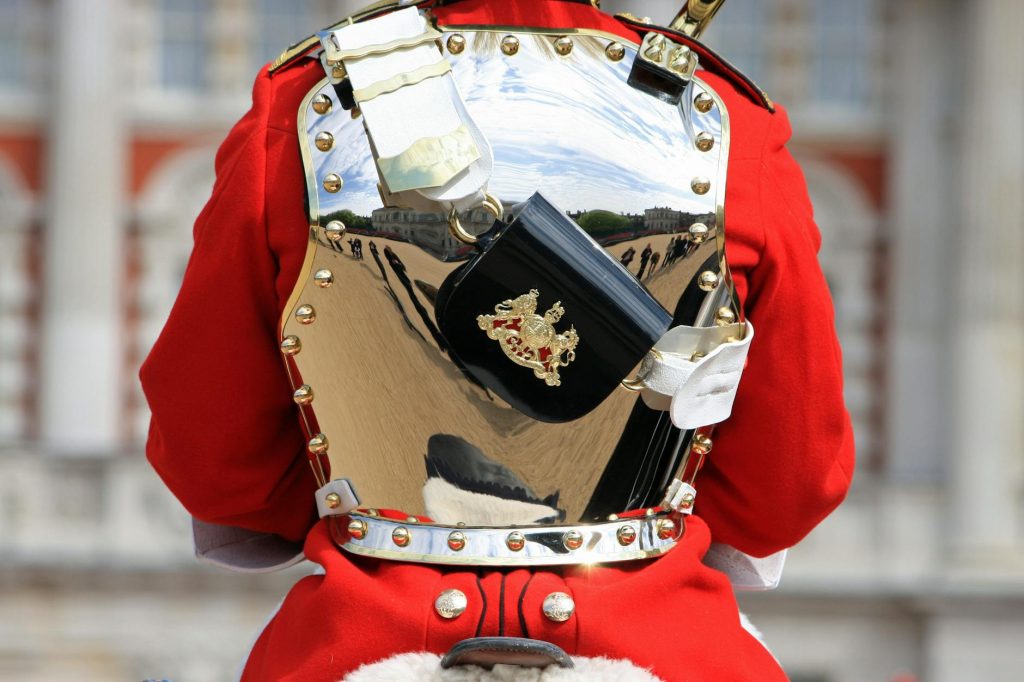
Complete Household Cavalry uniforms are rare and highly prized. Even individual components – tunics, breastplates, boots, or belts – can be significant collectors items.

Popular uniform-related pieces include:

  • Ceremonial tunics and jackets
  • Metal cuirasses (breastplates)
  • Riding boots and spurs
  • Badges, buttons and insignia
  • Sashes and regimental accessories

Authentic uniforms often show signs of real service use, which can add to their historical interest. Many collectors enjoy researching the background of specific items to understand where and when they were worn.

Medals, badges and insignia

Smaller items such as medals and badges are accessible entry points for new collectors. They are easier to store and display, yet still carry strong historical connections.

Commonly collected items include:

  • Service medals awarded to Household Cavalry soldiers
  • Cap badges and collar badges
  • Regimental buttons and belt fittings
  • Commemorative pins and brooches

Understanding the wider military context behind medals can be helpful. General background on British military awards is available from the UK Government medals information page.

Musical instruments and band memorabilia

The Household Cavalry Band plays an important role in ceremonial life, and items connected with military music are another popular collecting area.

Examples include:

  • Historic trumpets and bugles
  • Drum equipment and accessories
  • Sheet music and ceremonial programmes
  • Uniform elements worn by band members

To understand how music fits into modern ceremonial duties, see Household Cavalry Parade and Band.

Documents, photographs and ephemera

Not all collectors items are large or expensive. Many enthusiasts focus on paper-based material that records the history of the regiment, such as:

  • Historic photographs of soldiers and parades
  • Programmes from state events
  • Service records and personal papers
  • Old postcards and illustrated prints

These items help build a picture of everyday regimental life and can be displayed easily at home.

Seeing authentic items in context

While private collecting is popular, the best way to understand Household Cavalry artefacts is to see them in their original setting. The Household Cavalry Museum displays genuine uniforms, equipment and historic objects alongside the working stables at Horse Guards.

Visitors can connect what they see outdoors on parade with real artefacts inside the museum. For practical information on watching ceremonies, use the Changing of the Guard guide and the Horse Guards Parade visitor guide.

Collecting responsibly

Anyone interested in Household Cavalry memorabilia should collect in an ethical and informed way. Important considerations include:

  • Ensuring items have been obtained legally
  • Respecting the personal and historical significance of objects
  • Preserving items carefully for future generations
  • Seeking expert advice before major purchases

For general advice on caring for historic objects, the UK National Archives preservation guidance offers useful information for private collectors.

Building knowledge as a collector

The most successful collectors are those who take time to learn. Visiting museums, reading specialist books, and studying authentic examples all help develop a good eye for quality and authenticity.

Understanding the modern regiment also adds context. Background on current duties and training can be found on the page about Household Cavalry training and duties.

Frequently Asked Questions

Are genuine Household Cavalry items available to buy?

Yes, authentic pieces do appear on the collectors market, but they can be rare and valuable. Buyers should always check provenance carefully before making a purchase.

What is the most popular type of Household Cavalry collectible?

Ceremonial helmets and uniform items are usually the most sought-after because they are visually distinctive and closely linked to the regiment’s public role.

How can I tell if an item is authentic?

Authenticity often depends on detailed features such as markings, construction methods, and documented history. Consulting experts or specialist dealers is strongly recommended.

Is it legal to own Household Cavalry memorabilia?

Yes, owning historic military memorabilia is legal, provided items have been obtained through legitimate channels and are not restricted modern equipment.

Where can I learn more before starting a collection?

Visiting the Household Cavalry Museum and studying original objects in person is an excellent way to build knowledge before buying anything.

Are modern replicas worth collecting?

Replicas can be attractive display pieces, but they generally have less historical and financial value than genuine period items.

Continue Reading
Household Cavalry

Horse Guards Parade London Information

A clear visitor guide to Horse Guards Parade in London, including what to see, how to get there, and how to plan a visit with the Household Cavalry Museum.

Horse Guards Parade is one of the most historic and recognisable locations in London. Situated on Whitehall between Trafalgar Square and Buckingham Palace, it is the ceremonial home of the Household Cavalry and the setting for many of Britain’s most important state occasions.

Horse Guards Parade London Information

This guide explains what Horse Guards Parade is, what visitors can see there, and how to include it as part of a visit to the Household Cavalry Museum.

For ticket information and museum planning, start here: Purchase Household Cavalry Museum Tickets.

What is Horse Guards Parade?

Horse Guards Parade is a large ceremonial parade ground in central London. For centuries it has been used for military reviews, royal events, and daily ceremonial duties carried out by the Household Cavalry.

Today it remains an active working location where mounted soldiers guard the entrance to Horse Guards, and where the Household Cavalry Changing of the Guard takes place.

What can visitors see at Horse Guards?

Even without entering the museum, Horse Guards Parade offers several memorable experiences:

  • Mounted sentries on duty in full ceremonial uniform
  • The historic Horse Guards building and archway
  • The daily Household Cavalry Changing of the Guard
  • Views across St James’s Park and towards Buckingham Palace

If you would like detailed information about ceremony timings and viewpoints, see the full guide to the Household Cavalry Changing of the Guard.

Where is Horse Guards Parade?

Horse Guards Parade is located on Whitehall, directly between Trafalgar Square and the Houses of Parliament. It is one of the most central and accessible locations in London.

Nearby landmarks include:

  • Trafalgar Square and the National Gallery
  • St James’s Park
  • 10 Downing Street
  • Buckingham Palace
  • Westminster Abbey

Practical travel and route planning information is available from Transport for London. For general London visitor guidance, the official city resource at Visit London provides helpful maps and itineraries.

Horse Guards Parade and the Household Cavalry Museum

The Household Cavalry Museum is located directly beside Horse Guards Parade. This makes it easy to combine outdoor sightseeing with an indoor visit that explains what you have seen.

Inside the museum you can:

  • Learn about the history of the Household Cavalry
  • See historic uniforms and ceremonial equipment
  • View into the working stables where horses are prepared for duty
  • Understand the modern role of the regiment

For more background on the soldiers who serve here, visit Household Cavalry Life Guards and Household Cavalry training and duties.

Best times to visit

Horse Guards Parade can be visited at any time of day, but many people plan their visit around ceremonial activity. Mornings are often the liveliest period, particularly when the Changing of the Guard is scheduled.

Weekends and summer months can be busy, so arriving early gives you more space and better viewing opportunities.

Visitor etiquette and safety

Horse Guards Parade is a working military environment. To enjoy your visit safely and respectfully:

  • Do not attempt to touch or distract the horses
  • Keep clear of soldiers on duty
  • Follow instructions from staff and stewards
  • Be patient and allow space for ceremonies to take place

Understanding what you see

Many of the details visible on Horse Guards Parade – from helmet plumes to breastplates and regimental colours – have specific meanings. Learning a little about these features in advance makes the experience far more rewarding.

A helpful starting point is the guide to Household Cavalry uniforms, which explains how to recognise the different regiments and elements of ceremonial dress.

A short history of Horse Guards

The Horse Guards building and parade ground have been connected with royal and military life since the 17th century. Over time the area developed into the central ceremonial space used today for major national events.

For broader historical context about Britain’s royal and military heritage in London, the Historic Royal Palaces website provides background on related ceremonial sites.

Frequently Asked Questions

Is Horse Guards Parade free to visit?

Yes. Horse Guards Parade is a public open space and can be visited without charge. Only entry to the Household Cavalry Museum requires a ticket.

Can I visit Horse Guards Parade at any time?

Yes. The area is open to the public throughout the day, although access may occasionally be restricted for major state events.

Where is the best place to watch the Changing of the Guard?

The best viewpoints are along the edges of Horse Guards Parade facing the open square. Arriving early helps secure a clear view.

How long should I allow for a visit?

Most visitors spend 30–45 minutes exploring Horse Guards Parade itself, or longer if combining it with the museum and nearby attractions.

Is Horse Guards Parade suitable for children?

Yes. Children usually enjoy seeing the horses and soldiers, but they should be supervised and kept at a respectful distance from working animals.

How do I get to Horse Guards Parade by public transport?

The closest Underground stations are Charing Cross, Embankment, and Westminster. Detailed route options are available from Transport for London.

Continue Reading