A clear visitor guide to Horse Guards Parade in London, including what to see, how to get there, and how to plan a visit with the Household Cavalry Museum.
Horse Guards Parade is one of the most historic and recognisable locations in London. Situated on Whitehall between Trafalgar Square and Buckingham Palace, it is the ceremonial home of the Household Cavalry and the setting for many of Britain’s most important state occasions.
This guide explains what Horse Guards Parade is, what visitors can see there, and how to include it as part of a visit to the Household Cavalry Museum.
For ticket information and museum planning, start here: Purchase Household Cavalry Museum Tickets.
What is Horse Guards Parade?
Horse Guards Parade is a large ceremonial parade ground in central London. For centuries it has been used for military reviews, royal events, and daily ceremonial duties carried out by the Household Cavalry.
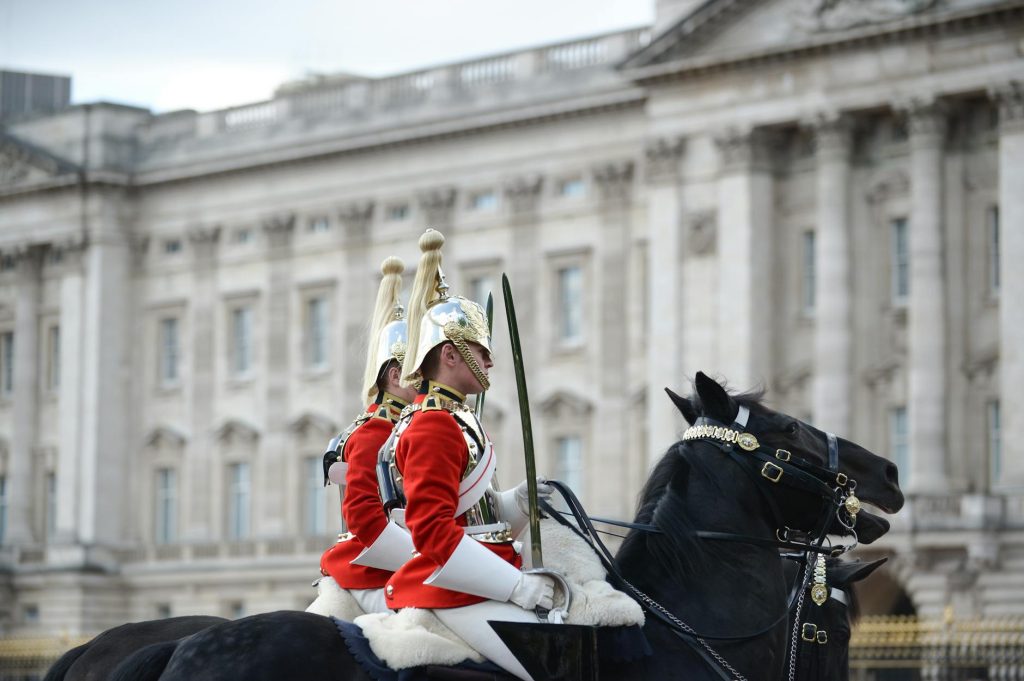
Today it remains an active working location where mounted soldiers guard the entrance to Horse Guards, and where the Household Cavalry Changing of the Guard takes place.
What can visitors see at Horse Guards?
Even without entering the museum, Horse Guards Parade offers several memorable experiences:
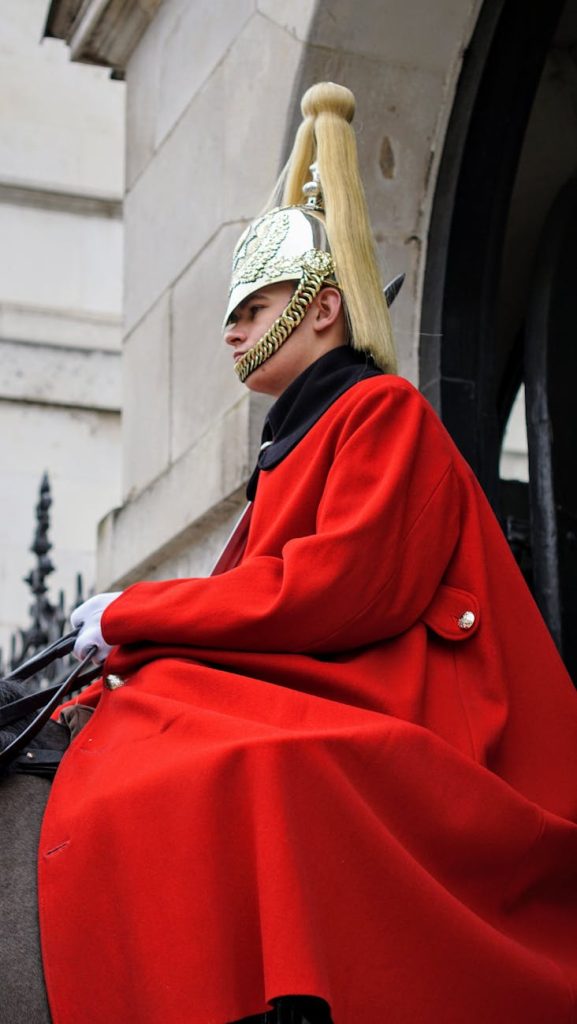
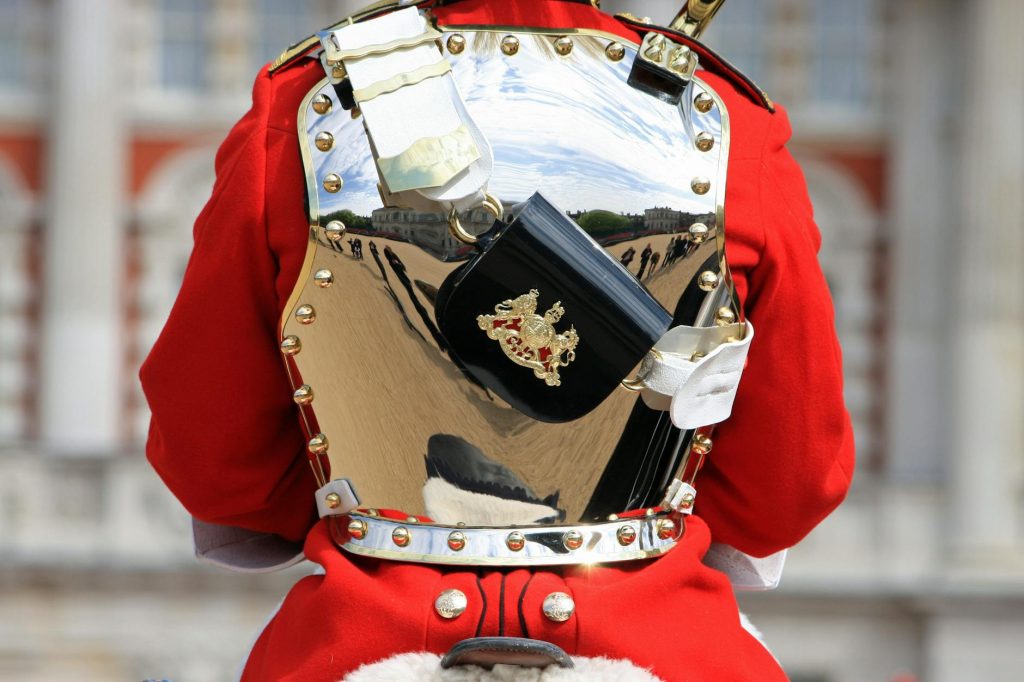
- Mounted sentries on duty in full ceremonial uniform
- The historic Horse Guards building and archway
- The daily Household Cavalry Changing of the Guard
- Views across St James’s Park and towards Buckingham Palace
If you would like detailed information about ceremony timings and viewpoints, see the full guide to the Household Cavalry Changing of the Guard.
Where is Horse Guards Parade?
Horse Guards Parade is located on Whitehall, directly between Trafalgar Square and the Houses of Parliament. It is one of the most central and accessible locations in London.
Nearby landmarks include:
- Trafalgar Square and the National Gallery
- St James’s Park
- 10 Downing Street
- Buckingham Palace
- Westminster Abbey
Practical travel and route planning information is available from Transport for London. For general London visitor guidance, the official city resource at Visit London provides helpful maps and itineraries.
Horse Guards Parade and the Household Cavalry Museum
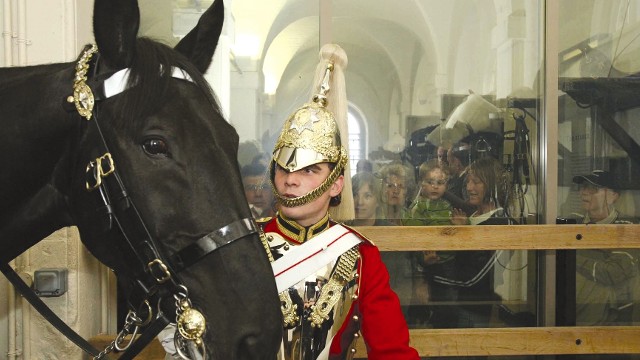
The Household Cavalry Museum is located directly beside Horse Guards Parade. This makes it easy to combine outdoor sightseeing with an indoor visit that explains what you have seen.
Inside the museum you can:
- Learn about the history of the Household Cavalry
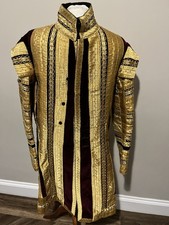
- See historic uniforms and ceremonial equipment
- View into the working stables where horses are prepared for duty
- Understand the modern role of the regiment
For more background on the soldiers who serve here, visit Household Cavalry Life Guards and Household Cavalry training and duties.
Best times to visit
Horse Guards Parade can be visited at any time of day, but many people plan their visit around ceremonial activity. Mornings are often the liveliest period, particularly when the Changing of the Guard is scheduled.
Weekends and summer months can be busy, so arriving early gives you more space and better viewing opportunities.
Visitor etiquette and safety
Horse Guards Parade is a working military environment. To enjoy your visit safely and respectfully:
- Do not attempt to touch or distract the horses
- Keep clear of soldiers on duty
- Follow instructions from staff and stewards
- Be patient and allow space for ceremonies to take place
Understanding what you see
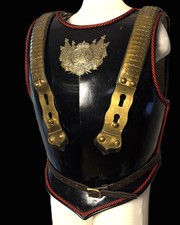
Many of the details visible on Horse Guards Parade – from helmet plumes to breastplates and regimental colours – have specific meanings. Learning a little about these features in advance makes the experience far more rewarding.
A helpful starting point is the guide to Household Cavalry uniforms, which explains how to recognise the different regiments and elements of ceremonial dress.
A short history of Horse Guards
The Horse Guards building and parade ground have been connected with royal and military life since the 17th century. Over time the area developed into the central ceremonial space used today for major national events.
For broader historical context about Britain’s royal and military heritage in London, the Historic Royal Palaces website provides background on related ceremonial sites.
Frequently Asked Questions
Is Horse Guards Parade free to visit?
Yes. Horse Guards Parade is a public open space and can be visited without charge. Only entry to the Household Cavalry Museum requires a ticket.
Can I visit Horse Guards Parade at any time?
Yes. The area is open to the public throughout the day, although access may occasionally be restricted for major state events.
Where is the best place to watch the Changing of the Guard?
The best viewpoints are along the edges of Horse Guards Parade facing the open square. Arriving early helps secure a clear view.
How long should I allow for a visit?
Most visitors spend 30–45 minutes exploring Horse Guards Parade itself, or longer if combining it with the museum and nearby attractions.
Is Horse Guards Parade suitable for children?
Yes. Children usually enjoy seeing the horses and soldiers, but they should be supervised and kept at a respectful distance from working animals.
How do I get to Horse Guards Parade by public transport?
The closest Underground stations are Charing Cross, Embankment, and Westminster. Detailed route options are available from Transport for London.