Guide to Household Cavalry collectors items including helmets, uniforms, medals, instruments and how enthusiasts preserve British ceremonial history.
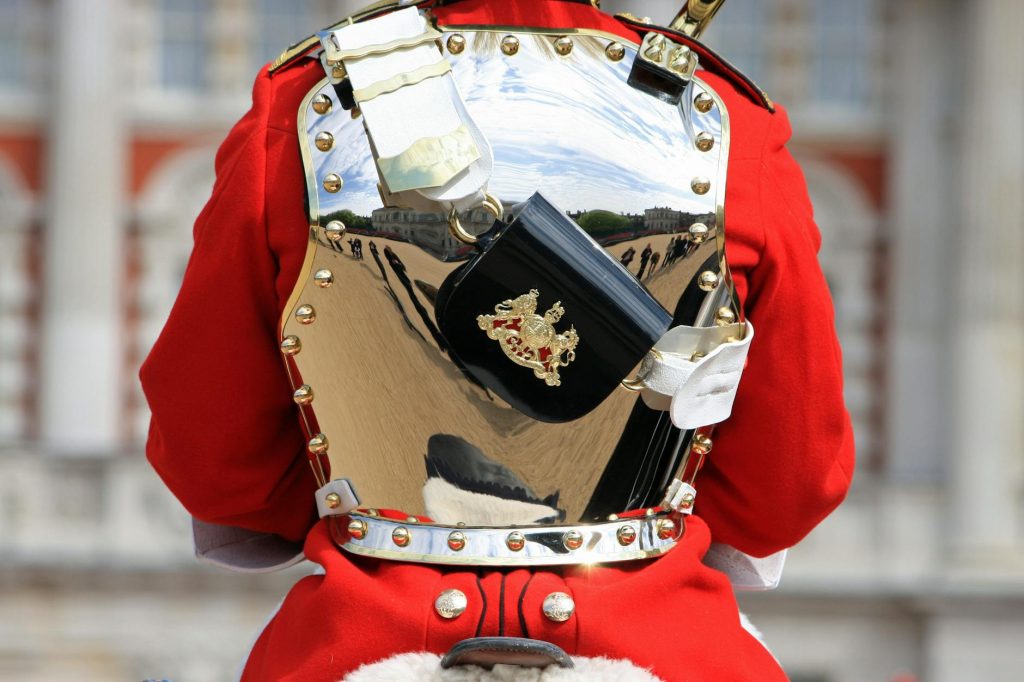
The traditions of the Household Cavalry have inspired generations of collectors. From gleaming ceremonial helmets to historic uniforms and military instruments, items connected with the regiment are among the most sought-after pieces of British military memorabilia.
This guide explains the main types of Household Cavalry collectors items, what makes them special, and how enthusiasts approach collecting responsibly and respectfully.
Why Household Cavalry memorabilia is so collectible
The Household Cavalry has a long and distinctive history. Its combination of royal ceremonial duty and active military service gives objects connected to the regiment a unique character. Many collectors are drawn to:
- The visual appeal of ceremonial uniforms and equipment
- The craftsmanship involved in historic military items
- The direct link to British royal and national history
- The rarity of authentic pieces
Unlike general military surplus, Household Cavalry items are often highly specialised, carefully made, and closely associated with well-documented traditions.

Household Cavalry helmets
Among the most iconic collectors items are ceremonial helmets. These distinctive pieces, with their polished metal and coloured plumes, are instantly recognisable and closely associated with mounted duties at Horse Guards.
Collectors are typically interested in:
- Original ceremonial helmets used for public duties
- Historic examples from earlier periods
- Components such as plumes, chin chains, and fittings
- Display helmets produced for commemorative purposes


Because genuine helmets are complex objects with many variations, learning to recognise details is important. Our guide to Household Cavalry uniforms helps explain the features that distinguish different regiments and periods.
Uniforms and ceremonial dress
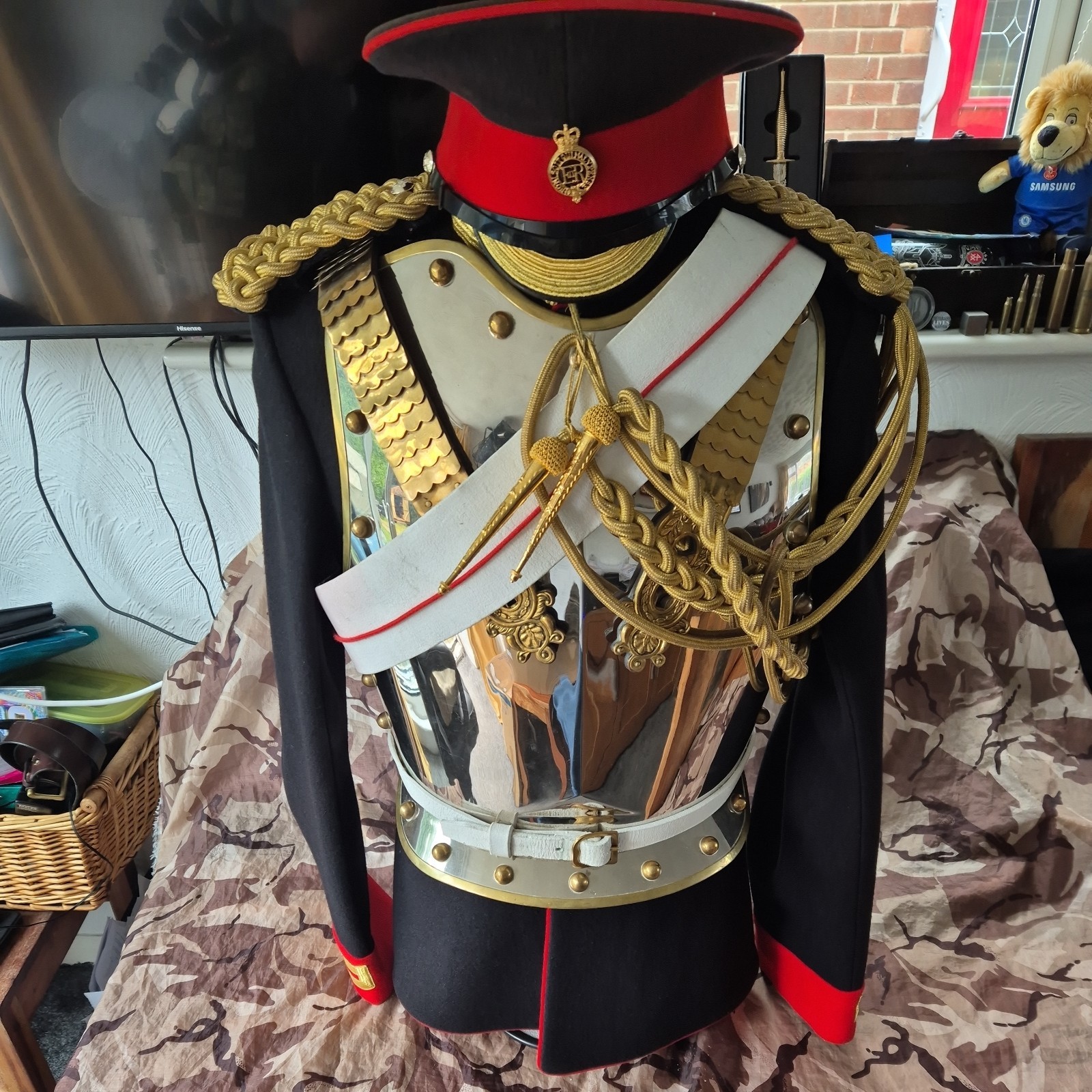
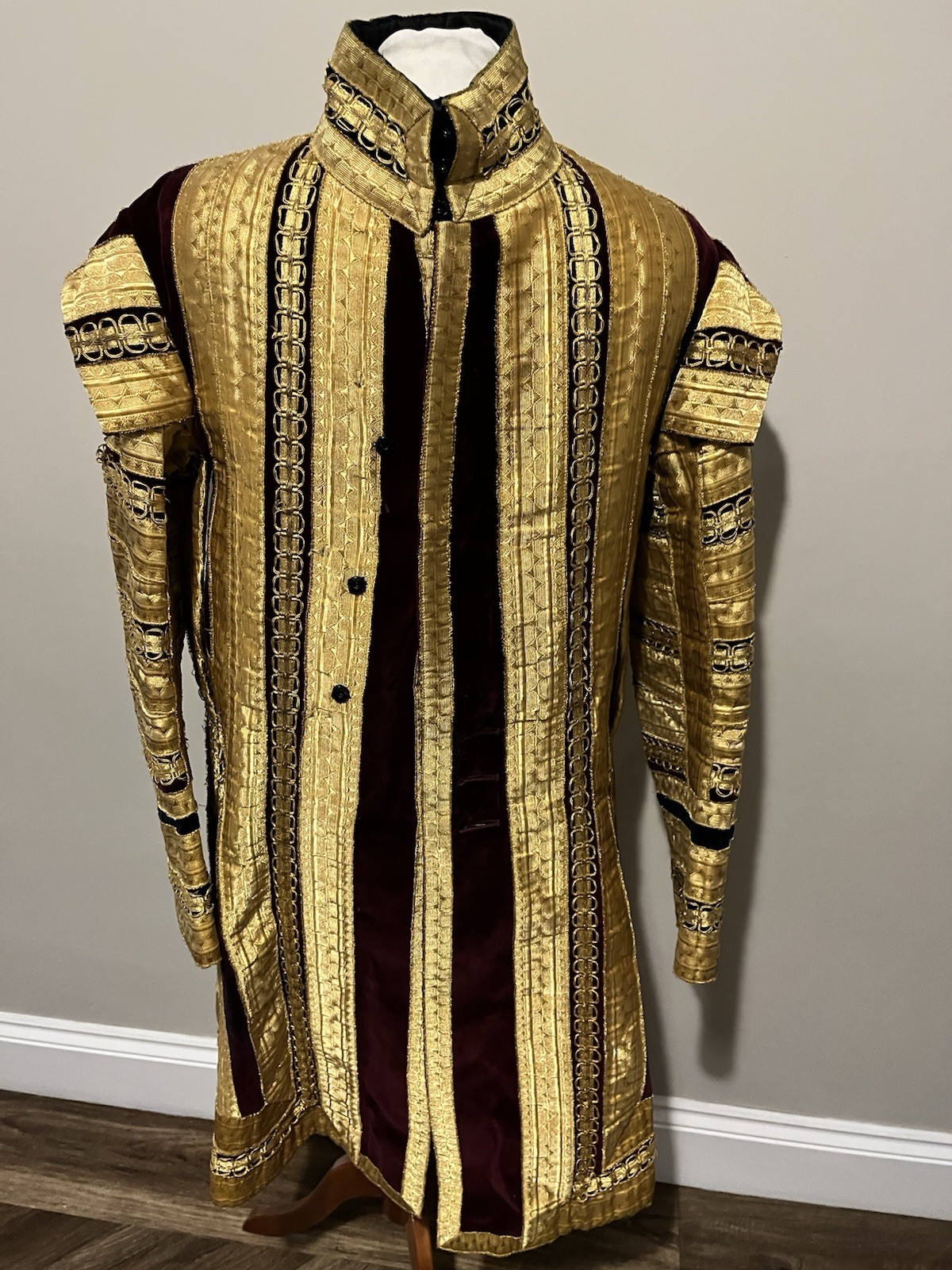
Complete Household Cavalry uniforms are rare and highly prized. Even individual components – tunics, breastplates, boots, or belts – can be significant collectors items.
Popular uniform-related pieces include:
- Ceremonial tunics and jackets
- Metal cuirasses (breastplates)
- Riding boots and spurs
- Badges, buttons and insignia
- Sashes and regimental accessories
Authentic uniforms often show signs of real service use, which can add to their historical interest. Many collectors enjoy researching the background of specific items to understand where and when they were worn.
Medals, badges and insignia
Smaller items such as medals and badges are accessible entry points for new collectors. They are easier to store and display, yet still carry strong historical connections.
Commonly collected items include:
- Service medals awarded to Household Cavalry soldiers
- Cap badges and collar badges
- Regimental buttons and belt fittings
- Commemorative pins and brooches
Understanding the wider military context behind medals can be helpful. General background on British military awards is available from the UK Government medals information page.
Musical instruments and band memorabilia
The Household Cavalry Band plays an important role in ceremonial life, and items connected with military music are another popular collecting area.
Examples include:
- Historic trumpets and bugles
- Drum equipment and accessories
- Sheet music and ceremonial programmes
- Uniform elements worn by band members
To understand how music fits into modern ceremonial duties, see Household Cavalry Parade and Band.
Documents, photographs and ephemera
Not all collectors items are large or expensive. Many enthusiasts focus on paper-based material that records the history of the regiment, such as:
- Historic photographs of soldiers and parades
- Programmes from state events
- Service records and personal papers
- Old postcards and illustrated prints
These items help build a picture of everyday regimental life and can be displayed easily at home.
Seeing authentic items in context
While private collecting is popular, the best way to understand Household Cavalry artefacts is to see them in their original setting. The Household Cavalry Museum displays genuine uniforms, equipment and historic objects alongside the working stables at Horse Guards.
Visitors can connect what they see outdoors on parade with real artefacts inside the museum. For practical information on watching ceremonies, use the Changing of the Guard guide and the Horse Guards Parade visitor guide.
Collecting responsibly
Anyone interested in Household Cavalry memorabilia should collect in an ethical and informed way. Important considerations include:
- Ensuring items have been obtained legally
- Respecting the personal and historical significance of objects
- Preserving items carefully for future generations
- Seeking expert advice before major purchases
For general advice on caring for historic objects, the UK National Archives preservation guidance offers useful information for private collectors.
Building knowledge as a collector
The most successful collectors are those who take time to learn. Visiting museums, reading specialist books, and studying authentic examples all help develop a good eye for quality and authenticity.
Understanding the modern regiment also adds context. Background on current duties and training can be found on the page about Household Cavalry training and duties.
Frequently Asked Questions
Are genuine Household Cavalry items available to buy?
Yes, authentic pieces do appear on the collectors market, but they can be rare and valuable. Buyers should always check provenance carefully before making a purchase.
What is the most popular type of Household Cavalry collectible?
Ceremonial helmets and uniform items are usually the most sought-after because they are visually distinctive and closely linked to the regiment’s public role.
How can I tell if an item is authentic?
Authenticity often depends on detailed features such as markings, construction methods, and documented history. Consulting experts or specialist dealers is strongly recommended.
Is it legal to own Household Cavalry memorabilia?
Yes, owning historic military memorabilia is legal, provided items have been obtained through legitimate channels and are not restricted modern equipment.
Where can I learn more before starting a collection?
Visiting the Household Cavalry Museum and studying original objects in person is an excellent way to build knowledge before buying anything.
Are modern replicas worth collecting?
Replicas can be attractive display pieces, but they generally have less historical and financial value than genuine period items.