Household Cavalry

How to Spot Authentic Household Cavalry Memorabilia – A Collector’s Guide

Practical guide to identifying genuine Household Cavalry memorabilia, including helmets, uniforms, badges and historical documents.

Collecting items connected with the Household Cavalry can be fascinating and rewarding, but it also requires care and knowledge. Genuine helmets, uniforms, badges, and historical objects are valuable and often rare, which means the market also contains replicas, reproductions, and misidentified pieces.
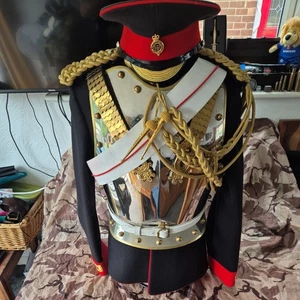
Household Cavalry Uniform

For background on the kinds of items typically collected, see our overview of Household Cavalry collectors items.

Start with knowledge before buying

The most important rule for any collector is simple: learn first, buy second. Understanding the history, structure, and traditions of the Household Cavalry makes it far easier to recognise genuine objects.

Seeing authentic artefacts in person is one of the best ways to develop this knowledge. A visit to the museum provides an excellent foundation: London: Household Cavalry Museum Entry Tickets.

Research the specific item type

Different kinds of memorabilia require different forms of expertise. Before considering a purchase, try to understand the typical characteristics of the object you are interested in.

Key areas to study include:

  • Materials and construction methods used in the relevant period
  • Correct regimental markings and insignia
  • Typical wear patterns from real use
  • Variations between the Life Guards and the Blues & Royals

Our guide to Household Cavalry uniforms is a helpful starting point for understanding authentic design details.

Examining helmets and metalwork

Ceremonial helmets are among the most frequently collected Household Cavalry items, but they are also widely copied. When assessing a helmet, pay attention to:

  • Quality of metal fittings and craftsmanship
  • Signs of genuine age and use
  • Correct style of plume, chain and fittings for the regiment
  • Maker’s marks or military inspection stamps

Authentic pieces often show subtle wear consistent with ceremonial duty, rather than the uniform appearance of modern reproductions.

Recognising authentic uniforms

Full uniforms and uniform components require careful scrutiny. Genuine items typically display:

  • High-quality materials appropriate to the period
  • Correct stitching and tailoring techniques
  • Original regimental buttons and badges
  • Natural signs of use, alteration, or repair

Uniforms that appear artificially aged or unusually pristine should be treated with caution. Studying real examples in a museum environment helps build a reliable eye for detail.

Badges, medals and small items

Smaller objects such as badges and medals are often easier for new collectors to acquire, but they are also frequently reproduced. Warning signs include:

  • Incorrect or blurred details in insignia
  • Modern casting marks on supposedly older items
  • Unusual combinations of badges and ribbons
  • Lack of documented history

For general information on British military medals and how they are issued, the UK Government medals guidance provides useful context.
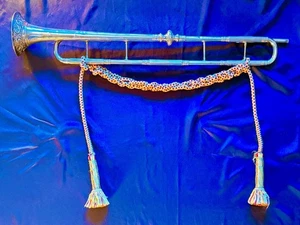
Household Cavalry Musical Instrument

The importance of provenance

Provenance – the documented history of an item – is often as important as the object itself. The strongest pieces usually come with:

  • Original paperwork or service records
  • Photographs showing the item in use
  • Clear ownership history
  • Reputable dealer documentation

Items with a well-established background are more likely to be authentic and generally hold their value better over time.

Beware of common red flags

Collectors should be cautious when encountering:

  • Unusually low prices for supposedly rare pieces
  • Sellers unable to answer basic historical questions
  • Items described vaguely as “style of” or “period type”
  • Objects that combine features from different eras

If something seems too good to be true, it often is.

Seek expert advice

Even experienced collectors consult specialists. Reputable dealers, auction houses, and military historians can help confirm authenticity before a significant purchase.

Understanding the modern regiment and its traditions also helps place objects in context. Background on current duties can be found on the page about Household Cavalry training and duties.

Preserving authentic items

Once you own a genuine piece, proper care is essential. Correct storage and handling help protect both condition and value. General guidance on caring for historic objects is available from the UK National Archives preservation resources.

Using the museum as a learning resource

The best way to develop confidence as a collector is to study authentic artefacts up close. The Household Cavalry Museum displays genuine helmets, uniforms and equipment in their proper historical setting, allowing visitors to compare details directly with items they may encounter on the collectors market.

Many collectors plan a visit around seeing ceremonies at Horse Guards. Practical advice is available in the Changing of the Guard guide and the Horse Guards Parade visitor guide.

Frequently Asked Questions

How can I tell if a Household Cavalry helmet is genuine?

Look for high-quality construction, correct regimental details, natural signs of age, and any maker’s marks or military stamps. Comparing the piece with authenticated examples is essential.

Are replicas always clearly labelled?

Not always. Some replicas are sold honestly as reproductions, but others may be misrepresented. Buyers should never rely solely on a seller’s description.

Is provenance necessary for every item?

While not every small object will have full documentation, major items such as uniforms or helmets are far safer purchases when accompanied by clear provenance.

Where is the best place to learn about authentic items?

Studying genuine artefacts in museums and consulting reputable dealers or historians are the most reliable ways to build knowledge and confidence.

Can modern items ever be collectible?

Yes, but they should be collected and described accurately as modern or commemorative pieces rather than historic originals.

What should I do if I’m unsure about an item?

Pause before buying and seek independent expert advice. Rushed decisions are the main cause of expensive mistakes in military collecting.
Continue Reading
Household Cavalry

Household Cavalry Collectors Items – Helmets, Uniforms and Military Memorabilia

Guide to Household Cavalry collectors items including helmets, uniforms, medals, instruments and how enthusiasts preserve British ceremonial history.

Household Cavalry Collectors Items – Helmets, Uniforms and Military Memorabilia

The traditions of the Household Cavalry have inspired generations of collectors. From gleaming ceremonial helmets to historic uniforms and military instruments, items connected with the regiment are among the most sought-after pieces of British military memorabilia.

This guide explains the main types of Household Cavalry collectors items, what makes them special, and how enthusiasts approach collecting responsibly and respectfully.

Why Household Cavalry memorabilia is so collectible

The Household Cavalry has a long and distinctive history. Its combination of royal ceremonial duty and active military service gives objects connected to the regiment a unique character. Many collectors are drawn to:

  • The visual appeal of ceremonial uniforms and equipment
  • The craftsmanship involved in historic military items
  • The direct link to British royal and national history
  • The rarity of authentic pieces

Unlike general military surplus, Household Cavalry items are often highly specialised, carefully made, and closely associated with well-documented traditions.

Household Cavalry helmets

Among the most iconic collectors items are ceremonial helmets. These distinctive pieces, with their polished metal and coloured plumes, are instantly recognisable and closely associated with mounted duties at Horse Guards.

Collectors are typically interested in:

  • Original ceremonial helmets used for public duties
  • Historic examples from earlier periods
  • Components such as plumes, chin chains, and fittings
  • Display helmets produced for commemorative purposes

Because genuine helmets are complex objects with many variations, learning to recognise details is important. Our guide to Household Cavalry uniforms helps explain the features that distinguish different regiments and periods.

Uniforms and ceremonial dress

Complete Household Cavalry uniforms are rare and highly prized. Even individual components – tunics, breastplates, boots, or belts – can be significant collectors items.

Popular uniform-related pieces include:

  • Ceremonial tunics and jackets
  • Metal cuirasses (breastplates)
  • Riding boots and spurs
  • Badges, buttons and insignia
  • Sashes and regimental accessories

Authentic uniforms often show signs of real service use, which can add to their historical interest. Many collectors enjoy researching the background of specific items to understand where and when they were worn.

Medals, badges and insignia

Smaller items such as medals and badges are accessible entry points for new collectors. They are easier to store and display, yet still carry strong historical connections.

Commonly collected items include:

  • Service medals awarded to Household Cavalry soldiers
  • Cap badges and collar badges
  • Regimental buttons and belt fittings
  • Commemorative pins and brooches

Understanding the wider military context behind medals can be helpful. General background on British military awards is available from the UK Government medals information page.

Musical instruments and band memorabilia

The Household Cavalry Band plays an important role in ceremonial life, and items connected with military music are another popular collecting area.

Examples include:

  • Historic trumpets and bugles
  • Drum equipment and accessories
  • Sheet music and ceremonial programmes
  • Uniform elements worn by band members

To understand how music fits into modern ceremonial duties, see Household Cavalry Parade and Band.

Documents, photographs and ephemera

Not all collectors items are large or expensive. Many enthusiasts focus on paper-based material that records the history of the regiment, such as:

  • Historic photographs of soldiers and parades
  • Programmes from state events
  • Service records and personal papers
  • Old postcards and illustrated prints

These items help build a picture of everyday regimental life and can be displayed easily at home.

Seeing authentic items in context

While private collecting is popular, the best way to understand Household Cavalry artefacts is to see them in their original setting. The Household Cavalry Museum displays genuine uniforms, equipment and historic objects alongside the working stables at Horse Guards.

Visitors can connect what they see outdoors on parade with real artefacts inside the museum. For practical information on watching ceremonies, use the Changing of the Guard guide and the Horse Guards Parade visitor guide.

Collecting responsibly

Anyone interested in Household Cavalry memorabilia should collect in an ethical and informed way. Important considerations include:

  • Ensuring items have been obtained legally
  • Respecting the personal and historical significance of objects
  • Preserving items carefully for future generations
  • Seeking expert advice before major purchases

For general advice on caring for historic objects, the UK National Archives preservation guidance offers useful information for private collectors.

Building knowledge as a collector

The most successful collectors are those who take time to learn. Visiting museums, reading specialist books, and studying authentic examples all help develop a good eye for quality and authenticity.

Understanding the modern regiment also adds context. Background on current duties and training can be found on the page about Household Cavalry training and duties.

Frequently Asked Questions

Are genuine Household Cavalry items available to buy?

Yes, authentic pieces do appear on the collectors market, but they can be rare and valuable. Buyers should always check provenance carefully before making a purchase.

What is the most popular type of Household Cavalry collectible?

Ceremonial helmets and uniform items are usually the most sought-after because they are visually distinctive and closely linked to the regiment’s public role.

How can I tell if an item is authentic?

Authenticity often depends on detailed features such as markings, construction methods, and documented history. Consulting experts or specialist dealers is strongly recommended.

Is it legal to own Household Cavalry memorabilia?

Yes, owning historic military memorabilia is legal, provided items have been obtained through legitimate channels and are not restricted modern equipment.

Where can I learn more before starting a collection?

Visiting the Household Cavalry Museum and studying original objects in person is an excellent way to build knowledge before buying anything.

Are modern replicas worth collecting?

Replicas can be attractive display pieces, but they generally have less historical and financial value than genuine period items.

Continue Reading
Household Cavalry

Horse Guards Parade London Information

A clear visitor guide to Horse Guards Parade in London, including what to see, how to get there, and how to plan a visit with the Household Cavalry Museum.

Horse Guards Parade is one of the most historic and recognisable locations in London. Situated on Whitehall between Trafalgar Square and Buckingham Palace, it is the ceremonial home of the Household Cavalry and the setting for many of Britain’s most important state occasions.

Horse Guards Parade London Information

This guide explains what Horse Guards Parade is, what visitors can see there, and how to include it as part of a visit to the Household Cavalry Museum.

For ticket information and museum planning, start here: Purchase Household Cavalry Museum Tickets.

What is Horse Guards Parade?

Horse Guards Parade is a large ceremonial parade ground in central London. For centuries it has been used for military reviews, royal events, and daily ceremonial duties carried out by the Household Cavalry.

Today it remains an active working location where mounted soldiers guard the entrance to Horse Guards, and where the Household Cavalry Changing of the Guard takes place.

What can visitors see at Horse Guards?

Even without entering the museum, Horse Guards Parade offers several memorable experiences:

  • Mounted sentries on duty in full ceremonial uniform
  • The historic Horse Guards building and archway
  • The daily Household Cavalry Changing of the Guard
  • Views across St James’s Park and towards Buckingham Palace

If you would like detailed information about ceremony timings and viewpoints, see the full guide to the Household Cavalry Changing of the Guard.

Where is Horse Guards Parade?

Horse Guards Parade is located on Whitehall, directly between Trafalgar Square and the Houses of Parliament. It is one of the most central and accessible locations in London.

Nearby landmarks include:

  • Trafalgar Square and the National Gallery
  • St James’s Park
  • 10 Downing Street
  • Buckingham Palace
  • Westminster Abbey

Practical travel and route planning information is available from Transport for London. For general London visitor guidance, the official city resource at Visit London provides helpful maps and itineraries.

Horse Guards Parade and the Household Cavalry Museum

The Household Cavalry Museum is located directly beside Horse Guards Parade. This makes it easy to combine outdoor sightseeing with an indoor visit that explains what you have seen.

Inside the museum you can:

  • Learn about the history of the Household Cavalry
  • See historic uniforms and ceremonial equipment
  • View into the working stables where horses are prepared for duty
  • Understand the modern role of the regiment

For more background on the soldiers who serve here, visit Household Cavalry Life Guards and Household Cavalry training and duties.

Best times to visit

Horse Guards Parade can be visited at any time of day, but many people plan their visit around ceremonial activity. Mornings are often the liveliest period, particularly when the Changing of the Guard is scheduled.

Weekends and summer months can be busy, so arriving early gives you more space and better viewing opportunities.

Visitor etiquette and safety

Horse Guards Parade is a working military environment. To enjoy your visit safely and respectfully:

  • Do not attempt to touch or distract the horses
  • Keep clear of soldiers on duty
  • Follow instructions from staff and stewards
  • Be patient and allow space for ceremonies to take place

Understanding what you see

Many of the details visible on Horse Guards Parade – from helmet plumes to breastplates and regimental colours – have specific meanings. Learning a little about these features in advance makes the experience far more rewarding.

A helpful starting point is the guide to Household Cavalry uniforms, which explains how to recognise the different regiments and elements of ceremonial dress.

A short history of Horse Guards

The Horse Guards building and parade ground have been connected with royal and military life since the 17th century. Over time the area developed into the central ceremonial space used today for major national events.

For broader historical context about Britain’s royal and military heritage in London, the Historic Royal Palaces website provides background on related ceremonial sites.

Frequently Asked Questions

Is Horse Guards Parade free to visit?

Yes. Horse Guards Parade is a public open space and can be visited without charge. Only entry to the Household Cavalry Museum requires a ticket.

Can I visit Horse Guards Parade at any time?

Yes. The area is open to the public throughout the day, although access may occasionally be restricted for major state events.

Where is the best place to watch the Changing of the Guard?

The best viewpoints are along the edges of Horse Guards Parade facing the open square. Arriving early helps secure a clear view.

How long should I allow for a visit?

Most visitors spend 30–45 minutes exploring Horse Guards Parade itself, or longer if combining it with the museum and nearby attractions.

Is Horse Guards Parade suitable for children?

Yes. Children usually enjoy seeing the horses and soldiers, but they should be supervised and kept at a respectful distance from working animals.

How do I get to Horse Guards Parade by public transport?

The closest Underground stations are Charing Cross, Embankment, and Westminster. Detailed route options are available from Transport for London.

Continue Reading
Household Cavalry

Household Cavalry Changing of the Guard – Times and Locations

Practical guide to the Household Cavalry Changing of the Guard at Horse Guards Parade in London, including timings, best viewpoints and tips.

The Household Cavalry Changing of the Guard at Horse Guards Parade is one of London’s most impressive daily ceremonies. Mounted soldiers in full ceremonial uniform formally hand over duty, continuing a tradition that has taken place in the heart of the capital for generations.

Household Cavalry Changing of the Guard – Times and Locations

This guide explains what the ceremony involves, where to watch it, and how to combine it with a visit to the Household Cavalry Museum.

For ticket information and planning your day, start with Household Cavalry Museum Entry Ticket.

What is the Household Cavalry Changing of the Guard?

The ceremony is a formal transfer of responsibility between two mounted guard detachments of the Household Cavalry. One group finishes its period of duty at Horse Guards, and a new group takes over. The change is carried out with precise drill, commands, and inspection routines.

Unlike the Changing of the Guard at Buckingham Palace, this ceremony specifically involves the mounted Household Cavalry and takes place on Horse Guards Parade in Whitehall.

To understand how this location fits into London’s ceremonial landscape, see the Horse Guards Parade visitor guide.

When does the ceremony take place?

The Household Cavalry Changing of the Guard normally takes place every day. Exact timings can vary depending on operational requirements and special events, but it is generally held in the late morning.

Arriving early is recommended, particularly in summer months when visitor numbers in central London are high. The ceremony itself lasts only a short time, but watching the preparation and movement of horses adds to the experience.

Where is the best place to watch?

The ceremony happens directly on Horse Guards Parade, next to the Household Cavalry Museum. Good viewing spots include:

  • Along the railings facing the parade ground
  • Near the arches of Horse Guards building
  • Areas that allow a clear side-on view of the mounted formations

Because the event is free and unticketed, space is available on a first-come, first-served basis. Standing a little further back often provides a better overall view than trying to be at the front of the crowd.

What you will see during the ceremony

Visitors typically experience:

  • Mounted soldiers arriving and departing in formation
  • Formal inspection of horses and equipment
  • Precise drill movements and commands
  • The striking ceremonial uniforms of the Life Guards and Blues & Royals

If you would like to recognise uniform details more easily, read the guide to Household Cavalry uniforms before you visit.

Combining the ceremony with a museum visit

The Household Cavalry Museum is located immediately beside Horse Guards Parade, making it easy to see both on the same day. Many visitors choose to:

  • Watch the ceremony first
  • Then enter the museum to learn more about what they have just seen
  • Finish by exploring nearby attractions such as St James’s Park or Buckingham Palace

Inside the museum you can view the working stables, historic exhibits, and displays that explain the modern role of the regiment. Background on those duties is available on the page about Household Cavalry training and duties.

Respectful viewing etiquette

The Changing of the Guard is not a performance but a working military duty. To enjoy it safely and respectfully:

  • Follow instructions from staff and soldiers
  • Do not approach or distract the horses
  • Keep clear of moving formations
  • Avoid using flash photography close to animals

Planning your day in London

Horse Guards Parade is centrally located between Trafalgar Square and Westminster. Practical travel information can be found through Transport for London. For wider ideas on London sightseeing, the official city guide at Visit London offers useful itineraries and attraction suggestions.

For an official overview of the regiment responsible for the ceremony, see the British Army Household Cavalry information page.

Frequently Asked Questions

Is the Household Cavalry Changing of the Guard free to watch?

Yes. The ceremony takes place in a public area on Horse Guards Parade and can be viewed without purchasing a ticket.

What time does the Changing of the Guard happen?

The ceremony normally takes place in the late morning. Exact times can vary, so it is best to arrive early and allow some flexibility in your schedule.

Do I need museum tickets to see the ceremony?

No. Watching the ceremony does not require museum entry. Museum tickets are only needed if you wish to visit the exhibitions and stable viewing area afterwards.

How long does the ceremony last?

The formal change itself is relatively brief, usually around 15 to 20 minutes, though activity on the parade ground begins earlier.

Where is the best viewpoint for photographs?

Positions slightly back from the front railings often provide the clearest view of the whole formation. Side-on views generally work better than standing directly in front of the arches.

Can children enjoy the ceremony?

Yes. The horses, uniforms, and formal movements make it an engaging experience for families, provided children are supervised and kept at a safe distance.

Continue Reading