Practical guide to identifying genuine Household Cavalry memorabilia, including helmets, uniforms, badges and historical documents.
Collecting items connected with the Household Cavalry can be fascinating and rewarding, but it also requires care and knowledge. Genuine helmets, uniforms, badges, and historical objects are valuable and often rare, which means the market also contains replicas, reproductions, and misidentified pieces.
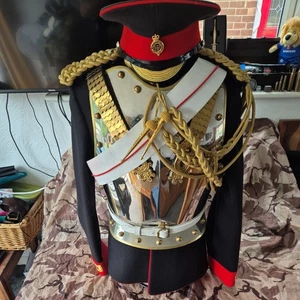
For background on the kinds of items typically collected, see our overview of Household Cavalry collectors items.
Start with knowledge before buying
The most important rule for any collector is simple: learn first, buy second. Understanding the history, structure, and traditions of the Household Cavalry makes it far easier to recognise genuine objects.
Seeing authentic artefacts in person is one of the best ways to develop this knowledge. A visit to the museum provides an excellent foundation: London: Household Cavalry Museum Entry Tickets.
Research the specific item type
Different kinds of memorabilia require different forms of expertise. Before considering a purchase, try to understand the typical characteristics of the object you are interested in.
Key areas to study include:
- Materials and construction methods used in the relevant period
- Correct regimental markings and insignia
- Typical wear patterns from real use
- Variations between the Life Guards and the Blues & Royals
Our guide to Household Cavalry uniforms is a helpful starting point for understanding authentic design details.
Examining helmets and metalwork
Ceremonial helmets are among the most frequently collected Household Cavalry items, but they are also widely copied. When assessing a helmet, pay attention to:
- Quality of metal fittings and craftsmanship
- Signs of genuine age and use
- Correct style of plume, chain and fittings for the regiment
- Maker’s marks or military inspection stamps
Authentic pieces often show subtle wear consistent with ceremonial duty, rather than the uniform appearance of modern reproductions.
Recognising authentic uniforms
Full uniforms and uniform components require careful scrutiny. Genuine items typically display:
- High-quality materials appropriate to the period
- Correct stitching and tailoring techniques
- Original regimental buttons and badges
- Natural signs of use, alteration, or repair
Uniforms that appear artificially aged or unusually pristine should be treated with caution. Studying real examples in a museum environment helps build a reliable eye for detail.
Badges, medals and small items
Smaller objects such as badges and medals are often easier for new collectors to acquire, but they are also frequently reproduced. Warning signs include:
- Incorrect or blurred details in insignia
- Modern casting marks on supposedly older items
- Unusual combinations of badges and ribbons
- Lack of documented history
For general information on British military medals and how they are issued, the UK Government medals guidance provides useful context.
The importance of provenance
Provenance – the documented history of an item – is often as important as the object itself. The strongest pieces usually come with:
- Original paperwork or service records
- Photographs showing the item in use
- Clear ownership history
- Reputable dealer documentation
Items with a well-established background are more likely to be authentic and generally hold their value better over time.
Beware of common red flags
Collectors should be cautious when encountering:
- Unusually low prices for supposedly rare pieces
- Sellers unable to answer basic historical questions
- Items described vaguely as “style of” or “period type”
- Objects that combine features from different eras
If something seems too good to be true, it often is.
Seek expert advice
Even experienced collectors consult specialists. Reputable dealers, auction houses, and military historians can help confirm authenticity before a significant purchase.
Understanding the modern regiment and its traditions also helps place objects in context. Background on current duties can be found on the page about Household Cavalry training and duties.
Preserving authentic items
Once you own a genuine piece, proper care is essential. Correct storage and handling help protect both condition and value. General guidance on caring for historic objects is available from the UK National Archives preservation resources.
Using the museum as a learning resource
The best way to develop confidence as a collector is to study authentic artefacts up close. The Household Cavalry Museum displays genuine helmets, uniforms and equipment in their proper historical setting, allowing visitors to compare details directly with items they may encounter on the collectors market.
Many collectors plan a visit around seeing ceremonies at Horse Guards. Practical advice is available in the Changing of the Guard guide and the Horse Guards Parade visitor guide.
Frequently Asked Questions
How can I tell if a Household Cavalry helmet is genuine?
Look for high-quality construction, correct regimental details, natural signs of age, and any maker’s marks or military stamps. Comparing the piece with authenticated examples is essential.
Are replicas always clearly labelled?
Not always. Some replicas are sold honestly as reproductions, but others may be misrepresented. Buyers should never rely solely on a seller’s description.
Is provenance necessary for every item?
While not every small object will have full documentation, major items such as uniforms or helmets are far safer purchases when accompanied by clear provenance.
Where is the best place to learn about authentic items?
Studying genuine artefacts in museums and consulting reputable dealers or historians are the most reliable ways to build knowledge and confidence.
Can modern items ever be collectible?
Yes, but they should be collected and described accurately as modern or commemorative pieces rather than historic originals.
What should I do if I’m unsure about an item?
Pause before buying and seek independent expert advice. Rushed decisions are the main cause of expensive mistakes in military collecting.