Learn about the Household Cavalry parade traditions and band, where to see ceremonies at Horse Guards, and how to plan a museum visit.
The Household Cavalry is closely associated with London’s great state occasions: mounted troops in full ceremonial dress, precision drill on Horse Guards Parade, and military music that signals formality, tradition, and national moments. For many visitors, seeing the parade ground in use and hearing the band is part of what makes central London feel unmistakably “royal.”
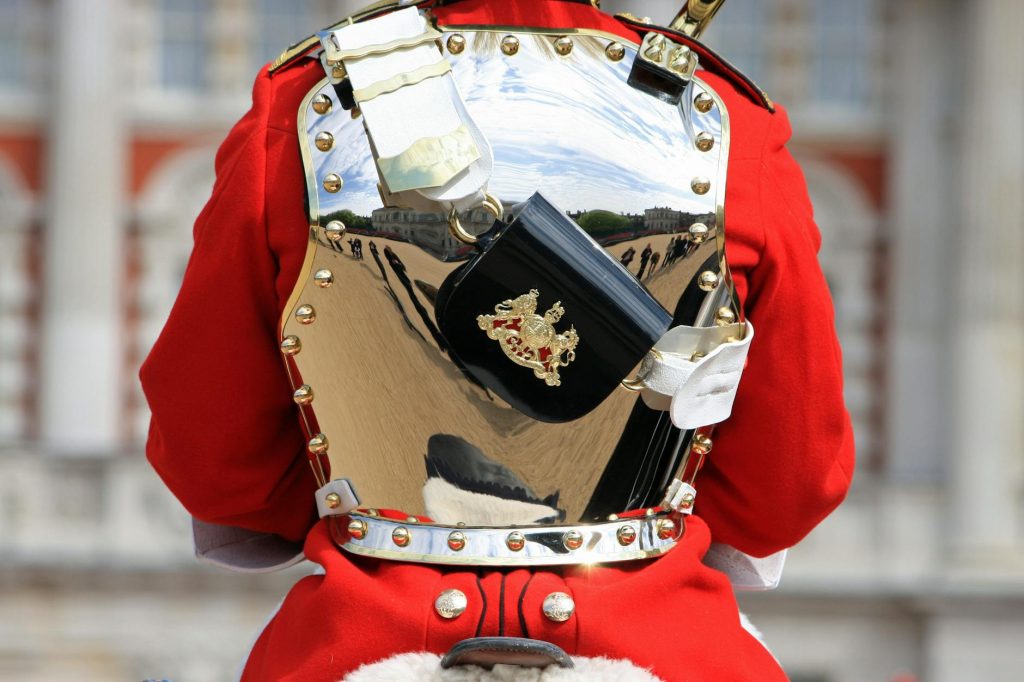
This page explains what the Household Cavalry parade traditions involve, what the band does, and how to plan a visit that connects museum exhibits with what you may see outside on Horse Guards Parade.
If you are planning your visit, start here: Household Cavalry Museum Entry Tickets.
What “parade” means in the Household Cavalry
In a ceremonial context, “parade” can refer to both a physical place (the parade ground) and a formal military activity. The Household Cavalry carries out ceremonial duties at Horse Guards and in wider royal events, where timings, formations, and presentation are all carefully controlled.
Horse Guards Parade is the public-facing setting where many visitors first encounter the Household Cavalry. It is also used for major ceremonial events that draw national and international attention.
For orientation, history, and what happens where, see the Horse Guards Parade visitor guide.
The Household Cavalry Band in brief
Military music is not decoration. It is a working part of ceremony, used to set rhythm, mark transitions, and signal official moments. The Household Cavalry’s musical tradition includes mounted elements and performances that support state ceremonial life.
In practical terms, the band helps create the soundscape visitors associate with London’s ceremonial calendar: the measured pace, the formal cues, and the sense of occasion.
Where visitors can see Household Cavalry ceremony
If you want to see the Household Cavalry in public ceremonial duty, the key location is Horse Guards Parade on Whitehall. This is also where visitors can watch the Household Cavalry’s Changing of the Guard ceremony.
For timings, what to expect, and the best viewpoints, use the dedicated guide: Household Cavalry Changing of the Guard.
How the museum helps you understand what you’re seeing
The museum provides context that is easy to miss when you only see ceremonies briefly outdoors. Exhibits help explain:
- Why uniforms look the way they do, including helmet plumes, breastplates, and regimental identity
- How mounted ceremonial duties fit into the regiment’s wider role
- How equipment, dress, and tradition have developed over time
- What a working mounted unit needs behind the scenes
If you want a clear guide to what to look for in ceremonial dress, see Household Cavalry uniforms.
Parade, pageantry, and the modern regiment
It is easy to think of ceremonial duty as separate from modern military service. In reality, the Household Cavalry is both ceremonial and operational. Soldiers who appear in state ceremonial roles are serving members of the British Army.
To understand how the modern regiment functions and trains, read Household Cavalry training and duties. You can also find an official overview via the British Army Household Cavalry page.
Visitor tips for seeing ceremony respectfully
- Arrive early: popular ceremonies can draw crowds, especially in peak tourist months.
- Give space: mounted soldiers and horses need room to move safely.
- Don’t distract working horses: avoid sudden movements close to the animals.
- Use the museum first if you can: understanding uniforms and roles makes the outdoor experience richer.
If you are navigating central London on the day, travel information is available from Transport for London. For wider visitor planning context, Visit London provides attraction and itinerary guidance.
Related pages
- London: Household Cavalry Museum Entry Tickets
- Changing of the Guard (Household Cavalry)
- Household Cavalry uniforms
- Household Cavalry Life Guards
Frequently Asked Questions
Is Horse Guards Parade free to visit?
Yes. Horse Guards Parade is a public space and you can visit without a ticket. Museum tickets are needed to access the Household Cavalry Museum exhibitions and working stable viewing area.
Do I need a ticket to watch the Household Cavalry Changing of the Guard?
No. The ceremony can be watched from public areas around Horse Guards Parade. Use the Changing of the Guard guide to plan timing and viewpoints.
Does the Household Cavalry Band perform every day?
Not usually. Band appearances are linked to ceremonial schedules and specific events. Your best approach is to plan around known ceremonies and keep expectations flexible if you are visiting on a short trip.
What is the best way to understand what I’m seeing during a parade?
Visiting the museum first helps. Exhibits explain uniforms, roles, and the wider ceremonial context, so you can recognise details outdoors more easily.
Can I combine the museum and a ceremony on the same day?
Yes. Many visitors plan the museum visit around ceremony timings at Horse Guards Parade, especially the Changing of the Guard.
Are the soldiers and horses part of a working unit?
Yes. The Household Cavalry is a serving regiment. The ceremonial duties you see in London are carried out by trained soldiers and horses as part of a working military environment.